Cardiac Output
Overview:
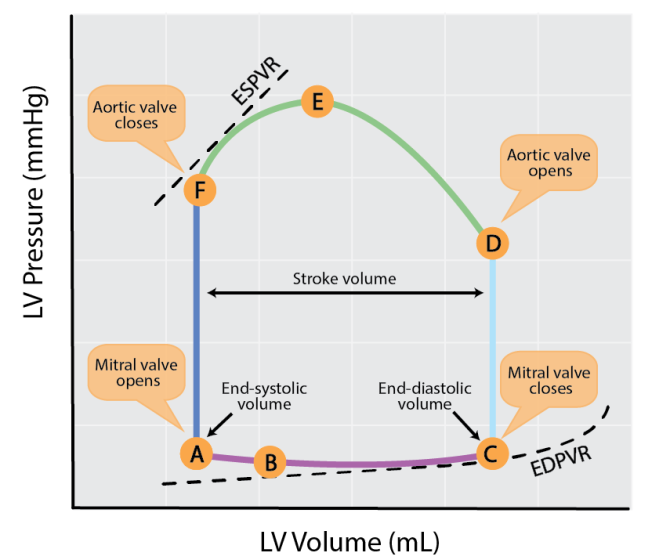
Cardiac output (CO, measured in liters per minute) is the quantity of blood that is pumped by the heart each minute. It is the product of stroke volume (SV; the volume of blood ejected from the heart in a single beat, milliliters per beat) and heart rate (HR; expressed as beats per minute or BPM).

Cardiac Output = Stroke Volume × Heart Rate
CO can be affected by respiration, especially under mechanical ventilation, and should therefore be measured at a defined phase of the respiratory cycle, which is usually the end-expiratory phase.
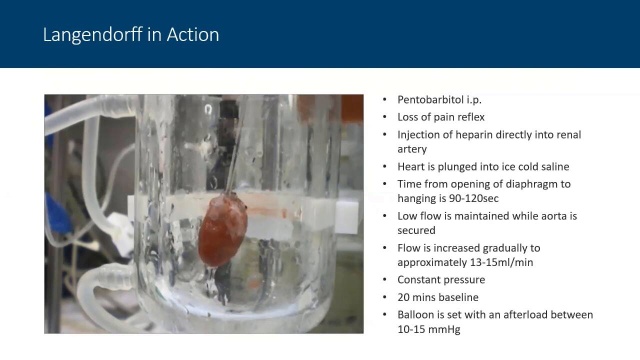
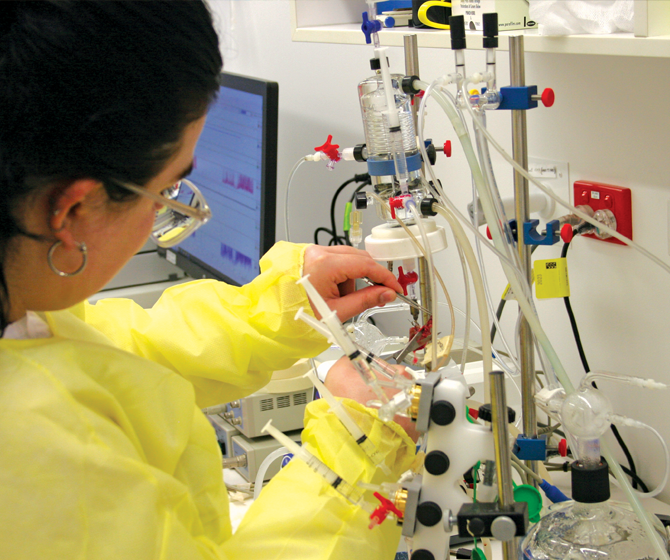
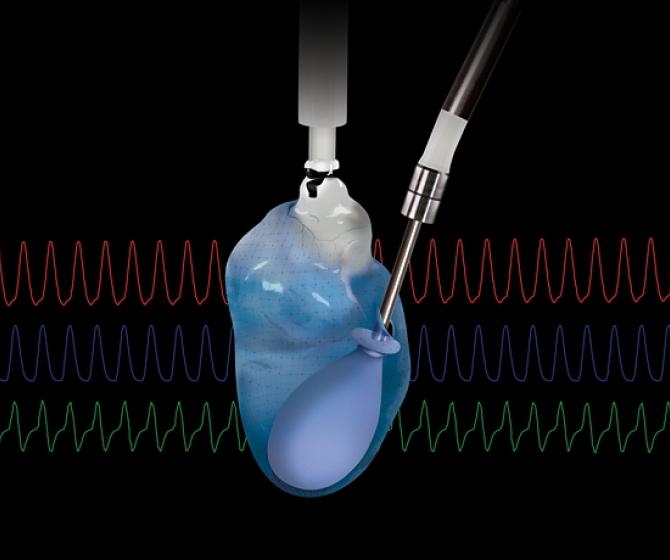
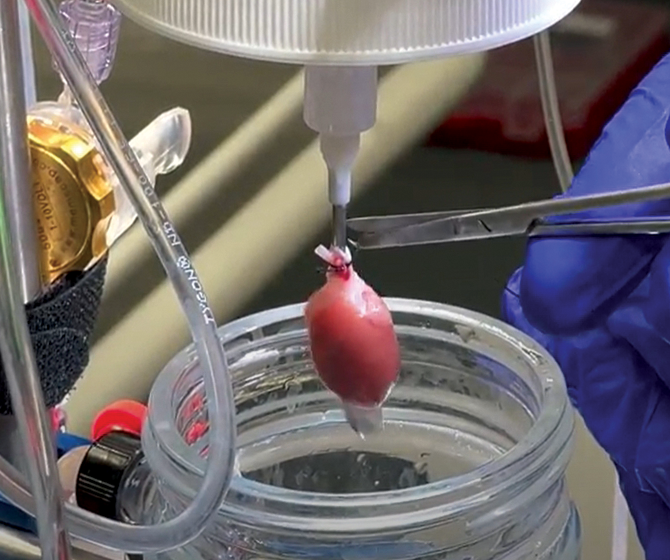
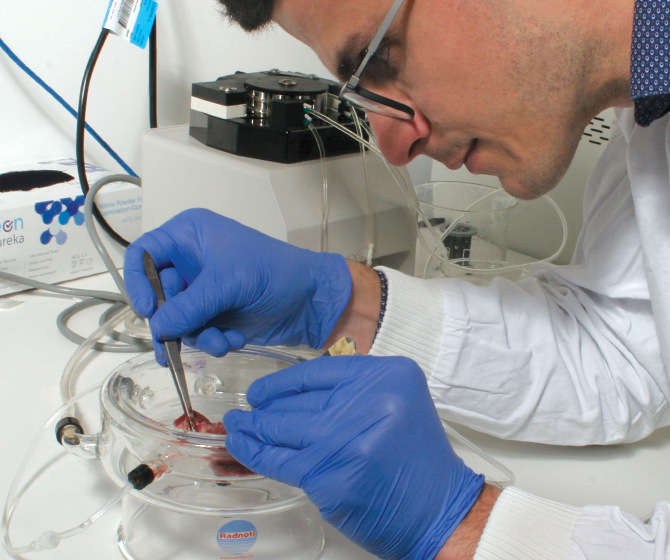
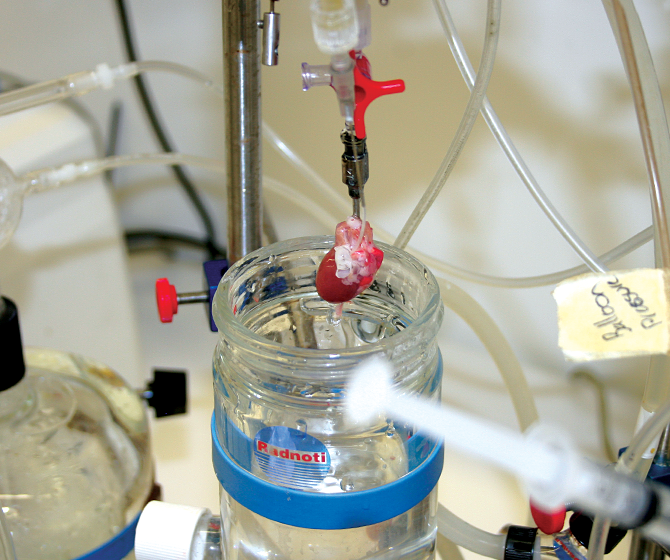
There are many experiments that measure or calculate CO including:
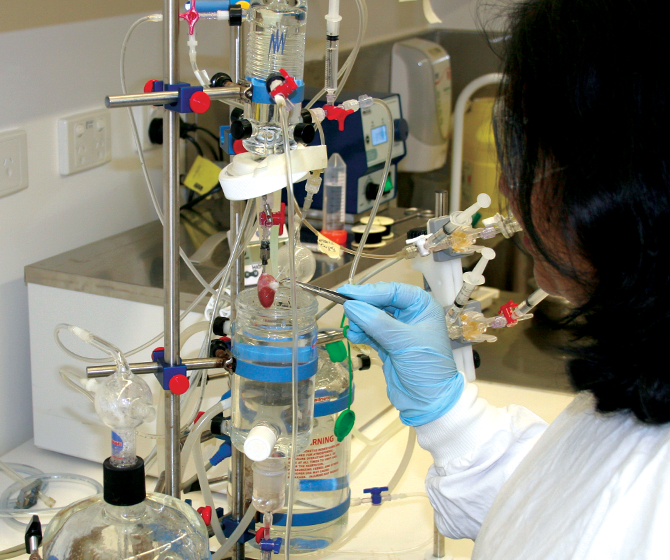
- Working heart experiments
- In vivo cardiovascular experiments
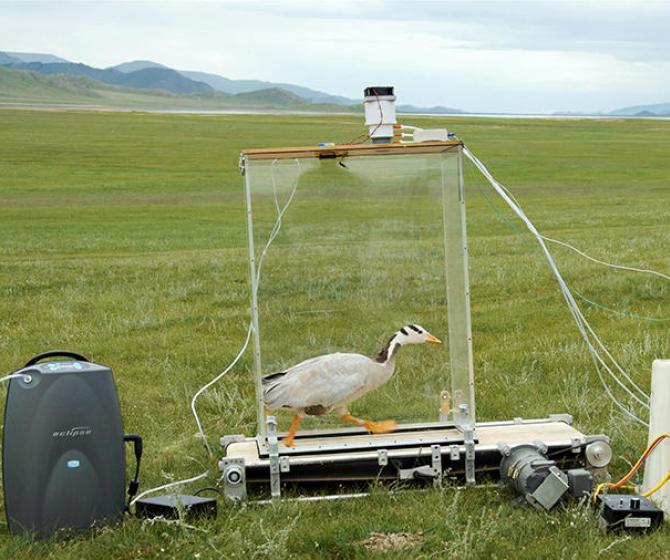
- Exercise physiology experiments
Method:
Non-Invasive Methods
Indirect Fick Method
- CO is determined by substituting CO2 rather than O2 into the Fick equation as follows:
CO = VCO2 [ml/min]/(CO2art-CO2ven) [ml/L]
Where:
VCO2 (ml/min), is the rate of CO2 production by the body and is easily determined using a Exercise Physiology System or Gas Analyzer and Spirometer.
CO2art (Arterial CO2) may be estimated from expired PET CO2 measurements obtained using a Gas Analyzer and Spirometer or the Exercise Physiology System and the following equation:
CO2ven (Venous CO2) can be measured non-invasively using rebreathing techniques. In general, the subject breathes into a bag that contains a high concentration of CO2 (9-14%). The high CO2 content of the rebreathing bag inhibits diffusion (and, therefore, removal of CO2 from the blood) and the subject's venous CO2 levels eventually equilibrate to the CO2 content of the rebreathing bag. It is this equilibrated CO2 tension that is used as an estimate of PCO2 in the venous blood, thereby completing the indirect Fick equation above.
CO2 content of a rebreathing bag may be measured using the Gas Analyzer connected to any PowerLab or using the measured continuously using the Exercise Physiology System.
Invasive Methods
Dilution- Calculates CO by measuring how fast flowing blood can dilute an indicator substance introduced to the circulatory system. These indicators include:
- Dye (Early technique) - CO is calculated by measuring the in dye concentration downstream (CO is equal to the quantity of indicator dye injected divided by the area under the dilution curve measured downstream). The trapezoid rule is often used as an approximation of this integral.
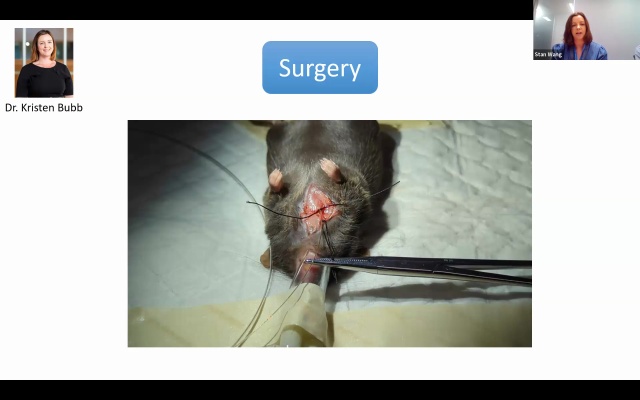
- Cold Solution (Modern technique) - CO is calculated by measuring the change in temperature downstream (Thermodilution or TD Technique). This technique involves the injection of a cooled bolus solution (usually saline) of a known volume and temperature into the right side of the heart and measuring the change in temperature within the circulation. The resultant temperature change in the blood ejected from the heart is measured with a thermocouple placed in the aorta or carotid artery. A TD curve (temperature versus time) is recorded and CO determined by calculating the area under this curve.
Cardiac Output Technique Download (153 KB)
MLA313 Assembly Technique Download (80 KB)
Flow Sensing
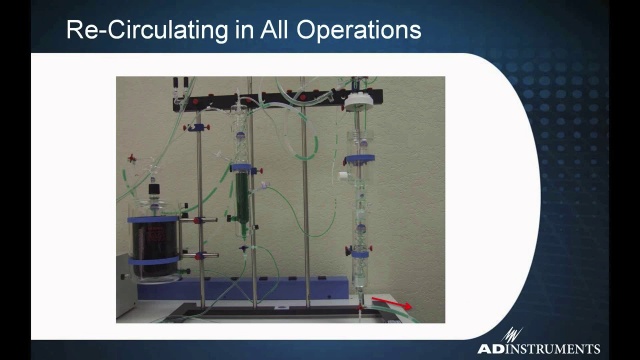
- Calculates CO by measuring fluid flow (e.g. blood, physiological buffer) out of the heart. In contrast to traditional ultrasound techniques, transit-time ultrasound flowmetry is a technique that incorporate two transmitters/sensors and a reflector plate that allows them to provide calibrated measurements of blood flow rate in milliliters per minute. Transit-time ultrasound technologies are not subject to problems with electrical interference or baseline drift and do not require close/direct contact with the vessel.
- ADInstruments flow systems and CO probes are available in various sizes for implanting in animals as small as mice through to adult pig aorta or pulmonary artery.
- Similarly calculates CO but requires invasive catheterization. Mixed venous O2 concentration (O2ven) is measured via pulmonary artery catheterization, arterial O2 concentration (O2art) is measured via arterial catheterization and oxygen uptake by the lungs (VO2) is then measured via an Exercise Physiology System. Therefore CO is determined using the equation:
CO = VO2 [ml/min]/ (O2art – O2ven) [ml/L]
Software:
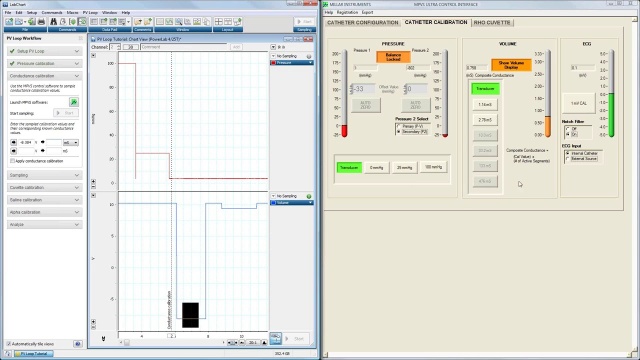
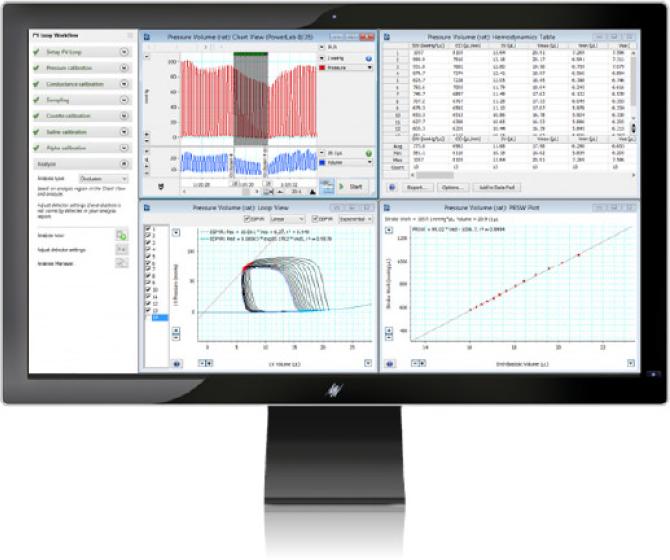
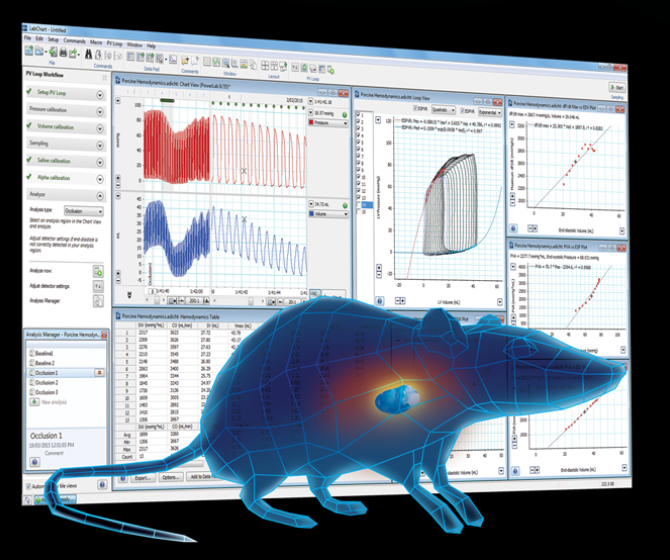
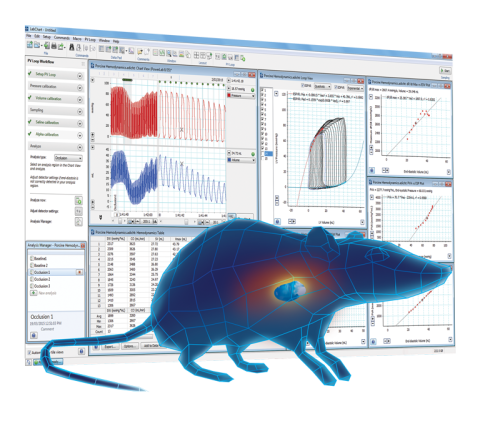
LabChart
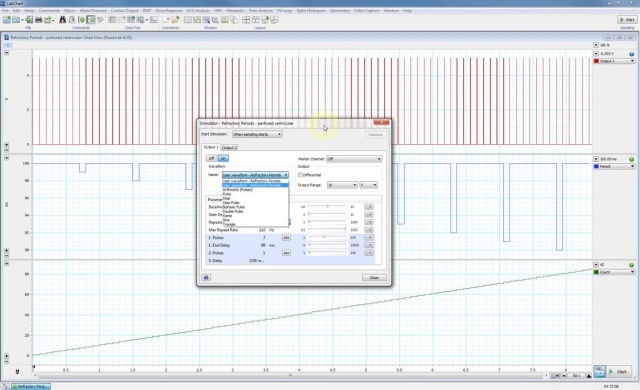
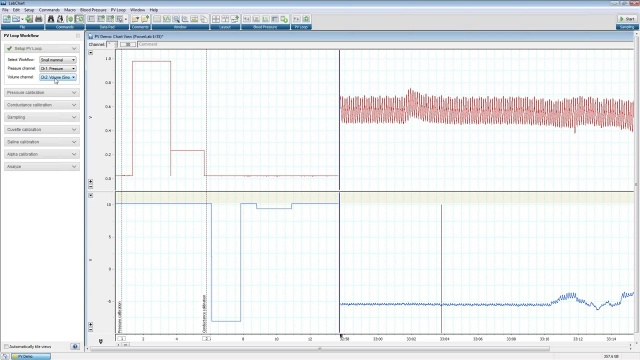
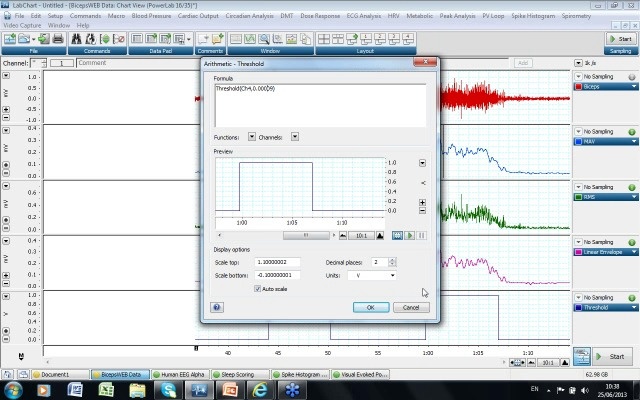
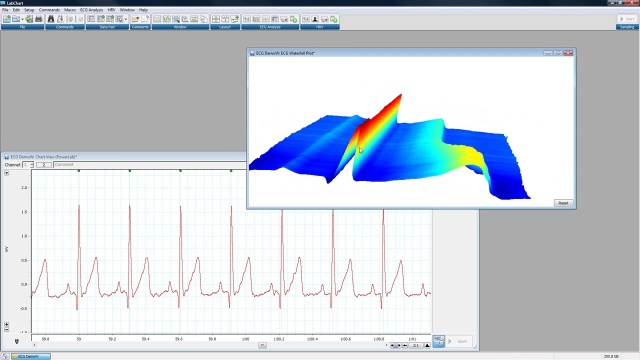
LabChart software (for Windows and Macintosh) combines the familiar simplicity of a traditional strip chart recorder with the powerful analysis features of a digital acquisition system. LabChart software and a PowerLab data acquisition unit provide data integrity, easy selection of hardware settings, powerful online and offline analysis, procedure automation, seamless extraction of experimental data and flexible display options. Acquisition and analysis capabilities can be further increased with LabChart Extensions and LabChart Modules. LabChart Modules are available as part of LabChart Pro and LabChart Extensions are free for download from the website for existing LabChart users.
MLS340/7 Cardiac Output Module provides easy extraction and calculation of cardiac output from small animals recorded in LabChart, using the thermodilution technique. It provides:
- Automatic calculation of cardiac output in mL/min from a thermodilution curve
- Automatic calculation of baseline temperature and baseline slope correction
- Automatic calculation of the area under the curve
- Automated extraction of exportable parameters in a spreadsheet format
GLP and 21 CFR Part 11For those researchers working within a laboratory requiring GLP and 21 CFR Part 11 compliance the GLP Client and GLP Server are available for use with LabChart (Windows only) and PowerLab data acquisition systems. For more information, visit the Good Laboratory Practiceapplication page or contact your nearest ADInstruments representative.
Hardware:
Signal Conditioners
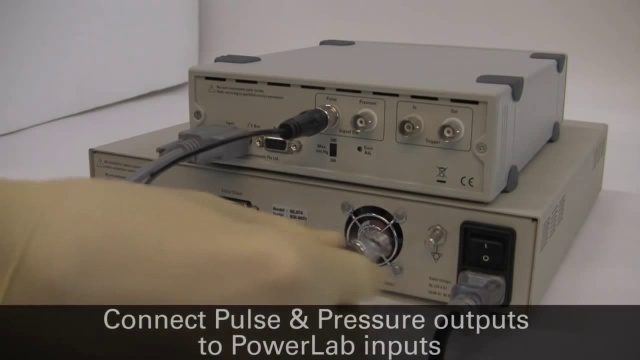
Cardiac Output Pod
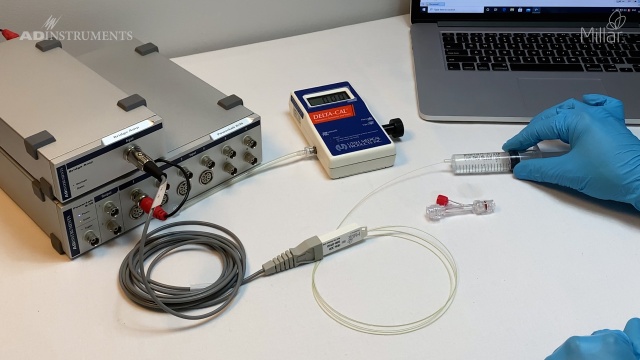
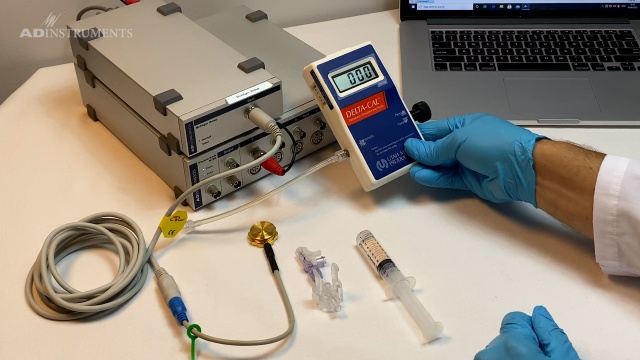
The ML313 Cardiac Output Pod is used with T-type (thermodilution technique) to determine of cardiac output in small animals (mice, rats, guinea pigs or rabbits) ONLY. The Pod can be used with any appropriate T-Type thermocouples and has a 'delta' temperature mode to allow a signal offset to be applied so that small temperature variations are monitored accurately. The MLS340/7 Cardiac Output Module (Win only) for LabChart may be purchase to facilitate accurate and fast determinations of CO.
Cardiac Output Pod (with thermocouple)
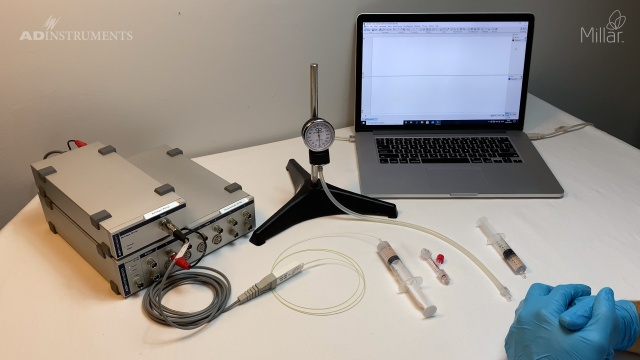
This ML313C Cardiac Output Pod (with thermocouple) configuration consists of the ML313 Cardiac Output Pod with additional products including:
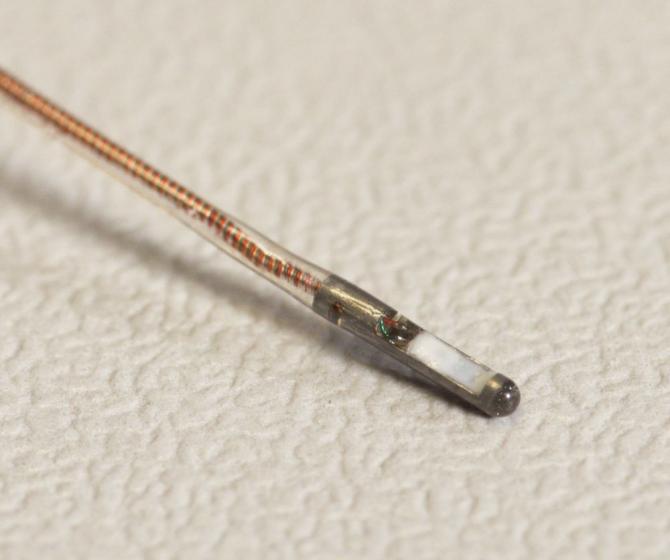
- MLT1402 T-type Ultra Fast Thermocouple Probe with a fast response time of 0.005 seconds
- MLS340/7 Cardiac Output Module (Win only) for LabChart
Cardiac Output Accessory Kit
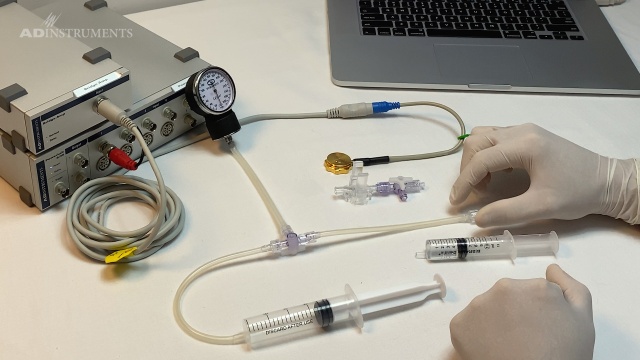
This MLA313 Cardiac Output Accessory Kit helps facilitate the measurement of cardiac output from small animals (rats, guinea pigs and mice)
It can be used with the ML313C Cardiac Output Pod (with thermocouple) or ML313 Cardiac Output Pod (no thermocouple). It includes:
- Hamilton LR (Luer tip) Glass syringe (250µl)
- Repeating dispenser
- Luer needle hubs
- Three-way stop-cocks
- Touhy Borst Adaptors
- Polyethylene tubing
Blood/Fluid Flow Systems
ADInstruments provide flow systems and probes of various sizes for implanting in animals (mice through to adult pig) aorta or pulmonary artery. These probes are available for both chronic and acute applications with the flow meters and are calibrated to provide the user with CO measurements in milliliters per minute. The flow meters easily integrate with any PowerLab data acquisition systems.
These systems include:
- ML870B11 One Channel Perivascular Flow System - ultrasonic blood flow system
- ML870B12 One Channel Tubing Flow System - measuring flow in tubing systems.
- ML870B13 Two Channel Perivascular Flow System - simultaneously measuring flow from two blood vessels
- ML870B14 Two Channel Tubing Flow System - simultaneously measuring flow from two tubing setups
- ML870B15 Two Channel Perivascular/Tubing Flow System - simultaneously measuring flow from a single blood vessel and single tube
Reflex control of the cutaneous circulation during passive body core heating in humans.
Jochen K. Peters, Takeshi Nishiyasu, and Gary W. Mack , Journal of Applied Physiology, 1756-1764, 2000
Protection of hearts from reperfusion injury by propofol is associated with inhibition of the mitochondrial permeability transition.
Sabzali A. Javadov, Kelvin H.H. Lim, Paul M. Kerr, M.-Saadah Suleiman, Gianni D. Angelini, Andrew P. Halestrap, Cardiovascular Research, 360-369, 2000
The material on this page is provided in good faith and believed accurate at the time of writing. No responsibility will be taken, or liability accepted, for damages arising from the use of information herein. Readers are urged to check with respective manufacturers the accuracy of all product related information.