

About the Webinar
Data acquisition is at the heart of physiological and cardiovascular research, but modern laboratory workflows demand more speed, flexibility, and collaboration than ever before.
Join ADInstruments, The Physiological Society (TPS), and the British Society for Cardiovascular Research (BSCR) for an exclusive panel discussion exploring the evolution of data acquisition (DAQ) technology.
Whether you are seeking to optimise your current setup or curious about the next generation of physiological signal analysis, this interactive session will bring together leading experts to share practical insights, real-world case studies, and a vision for the future of research software.
Meet the Panel:

Geoff Coombs Bangor University
Geoff Coombs is a Lecturer at Bangor University and a member of the Institute for Applied Human Physiology. His research focuses on human resilience to heat and understanding how environmental stressors affect thermoregulatory, cardiovascular, and brain function. He will present data from ongoing work funded by the Royal Society, which evaluates the impact of postural changes on dynamic cerebral autoregulation following physical work in the heat.
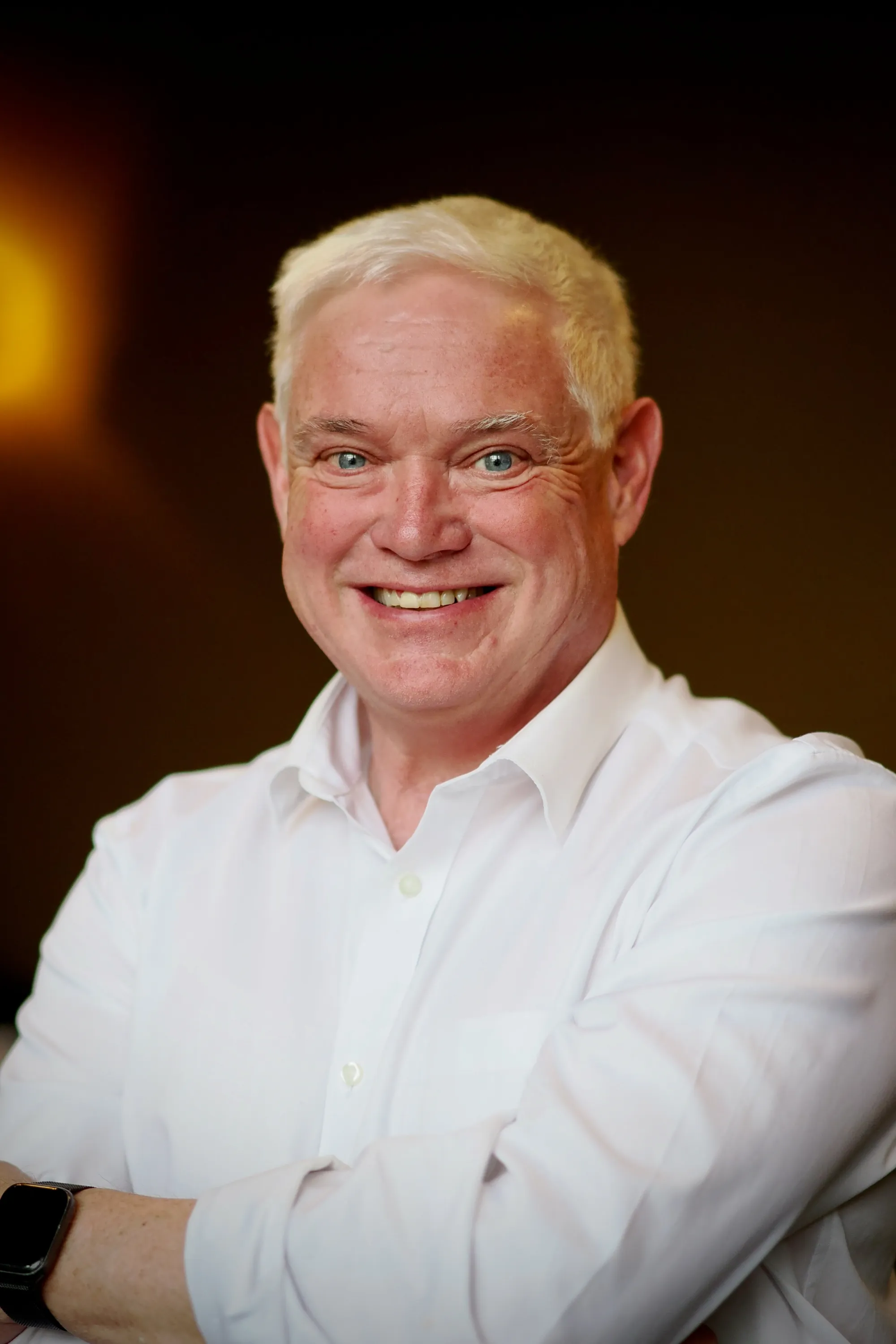
Michael Shattock
Professor of Cellular Cardiology at King’s College London
Professor Michael Shattock is Professor of Cellular Cardiology at King’s College London, where he leads the Cardiac Physiology Research Group. He earned his PhD at St Thomas’ Hospital in 1984, followed by a post-doc in California with Donald Bers (1985–88) before returning to the UK on consecutive BHF Fellowships. His research focuses on cardiac ion transport, cellular electrophysiology, phospholemman (PLM) regulation, and the concept of ‘autonomic conflict’ in lethal arrhythmias. He is a Reviewing Editor for the Journal of Physiology, a member of the BHF Programme Grant Committee, and actively teaches physiology at King's.
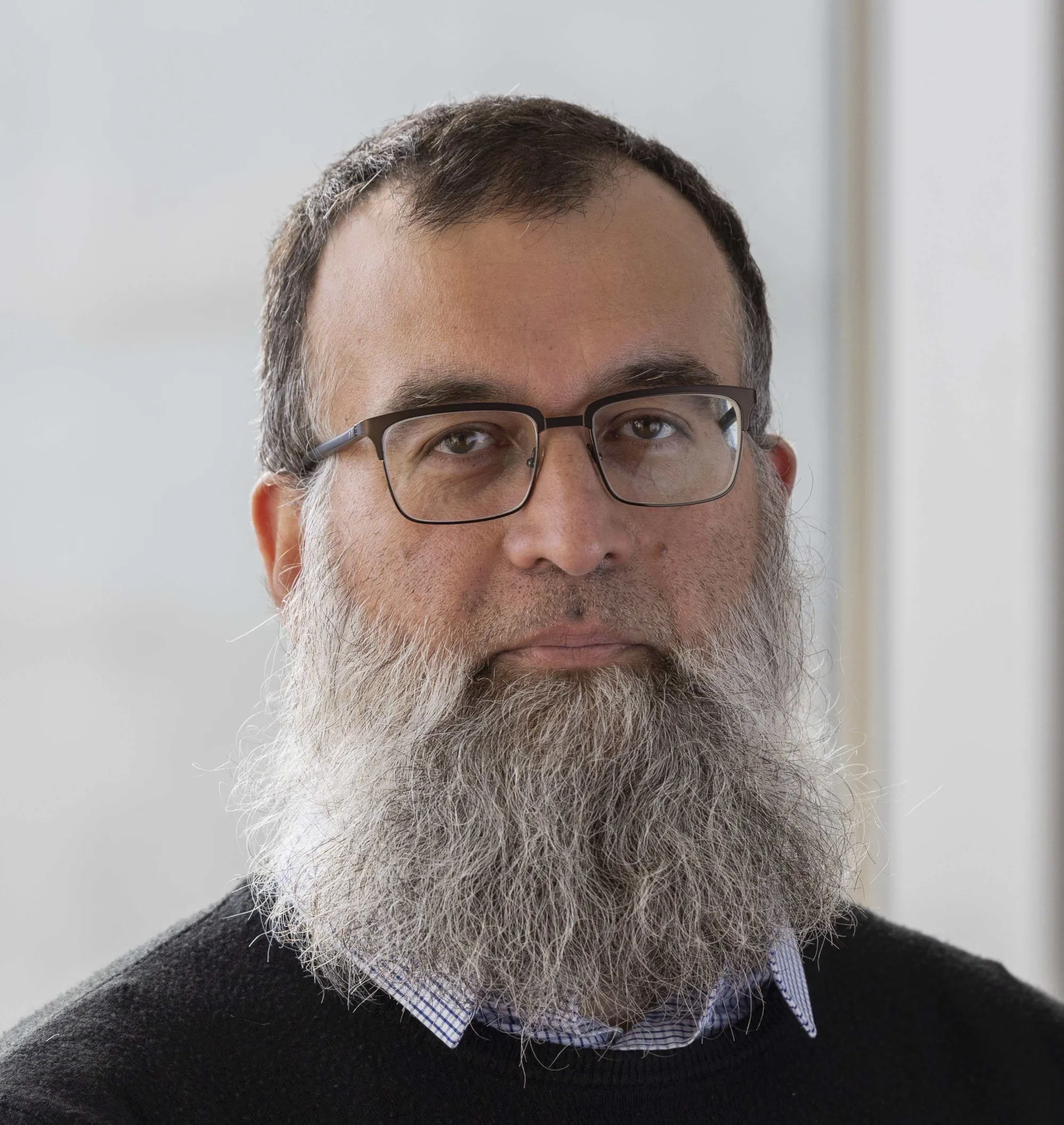
Dr Feisal Subhan
Associate Professor of Physiology at the University of Plymouth
Dr Feisal Subhan is Associate Professor of Physiology at the University of Plymouth. His research interests include respiratory physiology, hypoxia, heart rate variability, and physiology education. With extensive international experience in teaching, research, and academic leadership, he contributes actively to educational development through the International Union of Physiological Sciences and The Physiological Society.