

Kaha Small Animal Telemetry Systems
Continuous, High-Quality Data from Freely Moving Animals.
Kaha Sciences' wireless telemetry devices deliver uninterrupted, high-fidelity data from freely moving rats and mice. This implantable telemetry system enables long-term, naturalistic data collection without battery limitations, ensuring accurate and reproducible results.
Seamlessly integrate with PowerLab and LabChart for precise signal acquisition and analysis of large data sets while enhancing animal welfare and research efficiency. Kaha telemeters provide reliable telemetry monitoring for cardiovascular, neurological, and autonomic rodent research.
Advantages of Wireless Telemetry Systems
Improved Animal Welfare & Data Quality – Telemetry is an industry-recommended practice that reduces stress artifacts by enabling continuous data collection from conscious, freely moving animals. Rodent telemetry supports the 3Rs principles of animal research.
Conscious Data Collection – Avoid the confounding effects of anesthesia and enable cognitive and behavioral studies by recording data from conscious, free-moving animals using implantable animal telemetry.
Stress-Free & Natural Behavior – Collect accurate physiological data without the interference of handling or researcher presence by monitoring unrestrained animals in their home cage. Our telemetry solutions enable recording without restraint.
Long-Term Insights with Fewer Animals – Study biological rhythms and disease progression over days, weeks, or months, improving statistical power and reducing required group sizes. Both mice telemetry and rat telemetry studies benefit from continuous, uninterrupted recording.
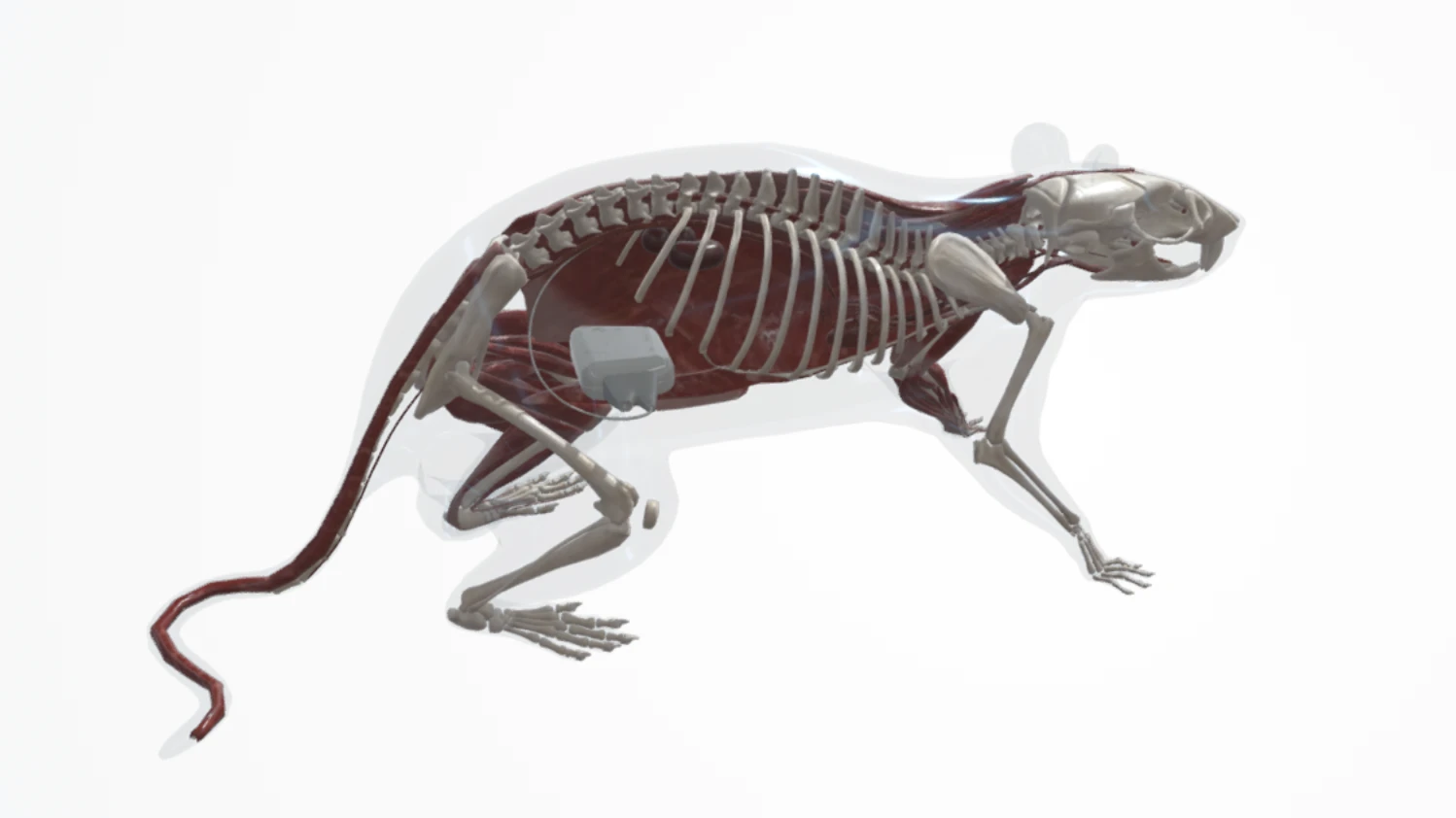
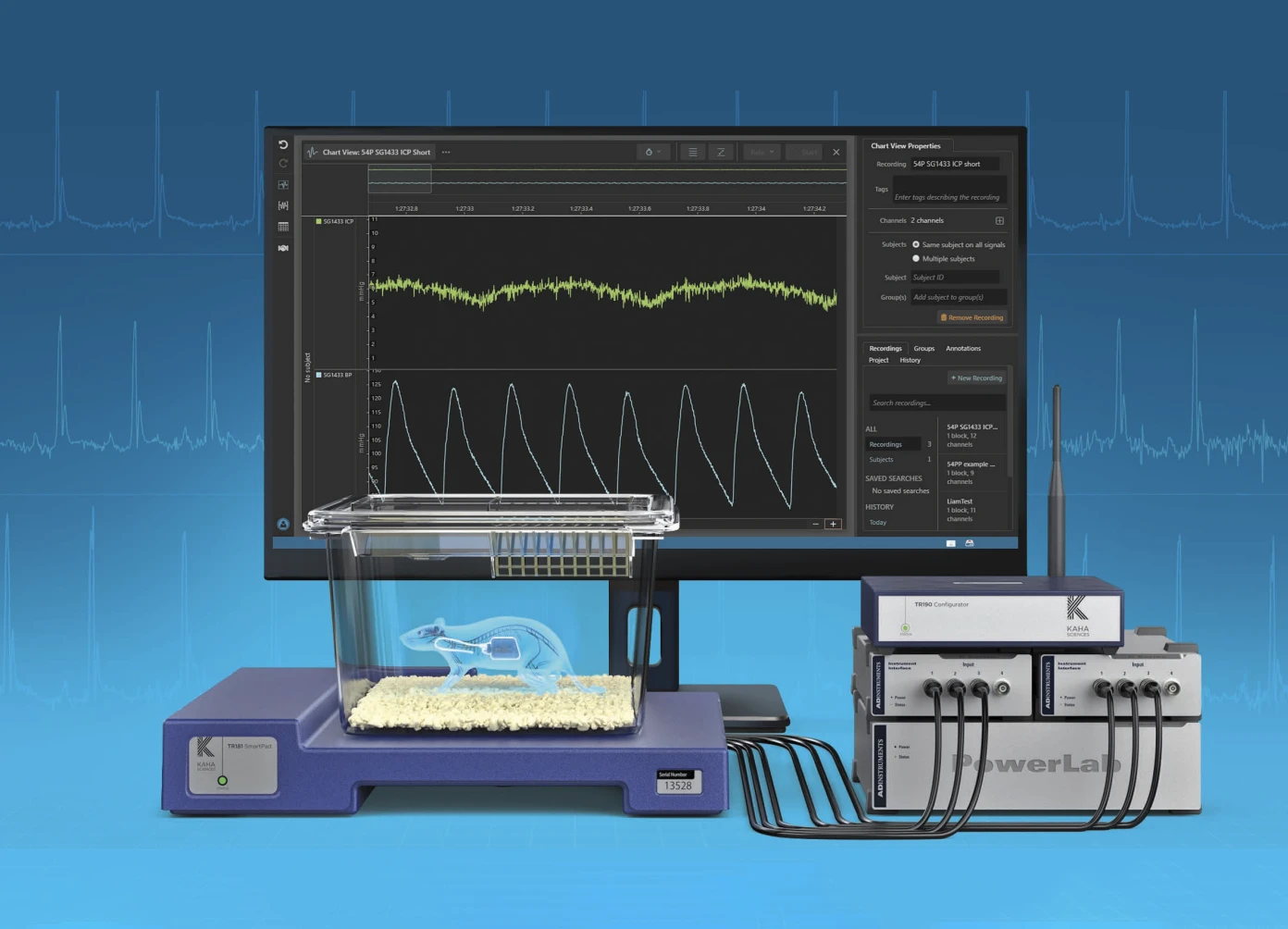
Kaha Telemeter in a Rat Model. See All Kaha Rat Telemeter Implantations »
Typical Studies
- ECG Research and Morphology
- Arterial and Ventricular Pressures
- Cardiovascular Dysfunction
- Autonomic Function
- Arrhythmia
- Neurological Disorders
- Electrophysiology
- Sleep and Circadian Rhythm
- Sympathetic Nerve Activity (SNA)
- Seizure Studies
- Abnormal Motor Studies




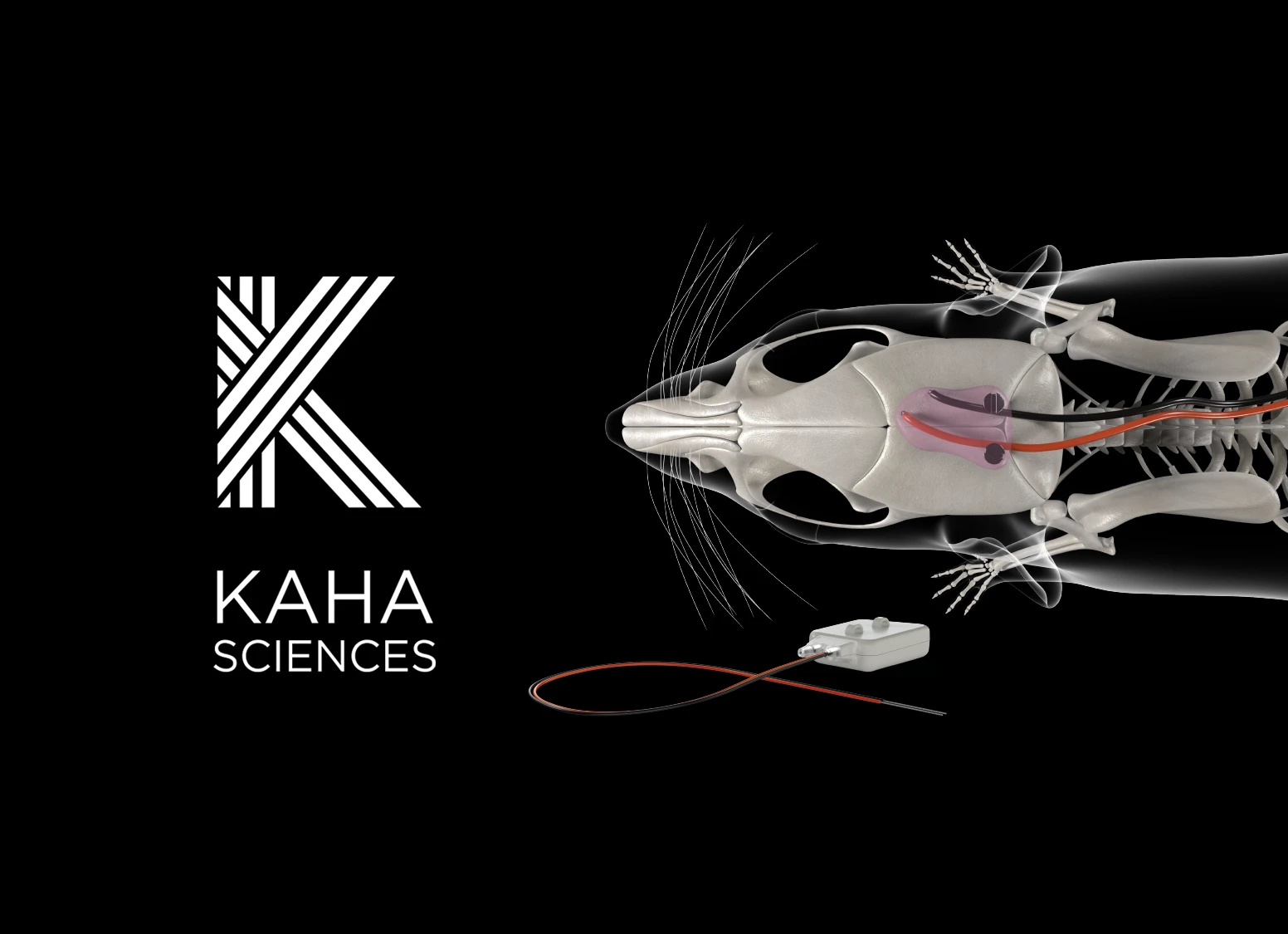
Kaha Sciences Telemeters for Rodent Telemetry

Uninterrupted and Reliable Data Collection
Kaha wireless telemeters provide continuous, high-quality data collection with inductive charging, ensuring uninterrupted long-term studies without the risk of data loss.

Exceptional Precision for Critical Research
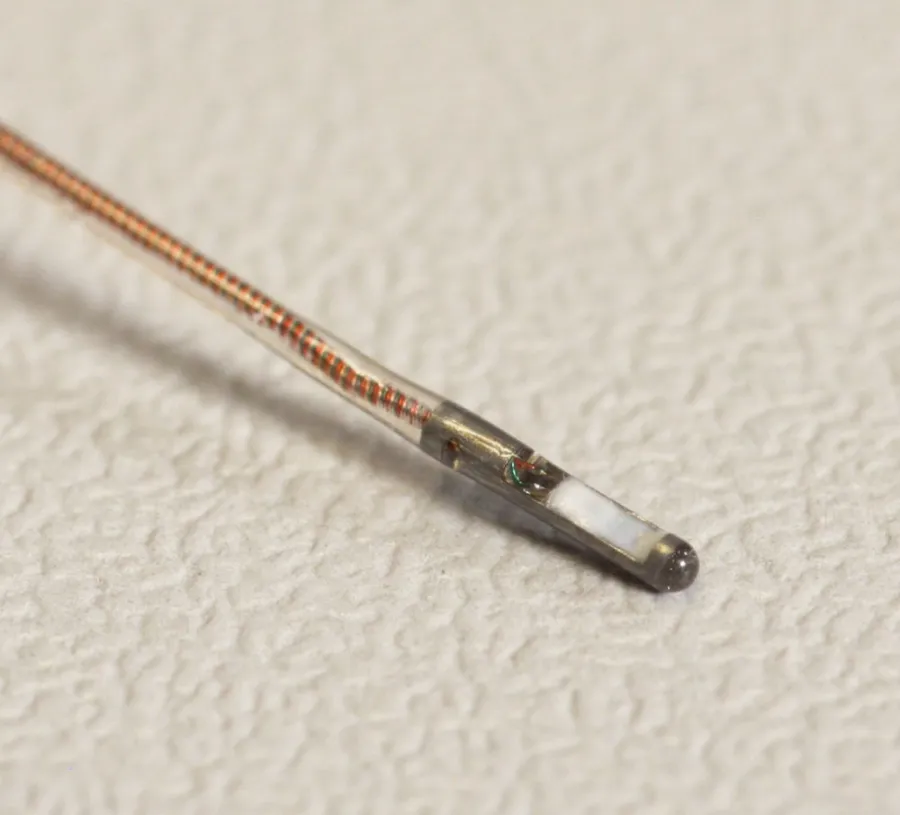
Powered by patented wireless technology and gold-standard Millar Mikro-Tip™ sensors, Kaha telemetry devices deliver precise, high-fidelity recordings. Our pressure telemeters enable accurate blood pressure telemetry and cardiac monitoring in preclinical studies.

Flexible Experimental Design
With no battery limitations, Kaha telemetry implants enable naturalistic, long-term studies and within-subject designs, preserving research integrity without power interruptions.

Seamless Integration and Scalability
Effortlessly integrating with ADInstruments' LabChart, Kaha telemetry products scale with your research, allowing easy expansion of channels and frequencies as needed.

Reusability and Cost Efficiency
Designed for reusability, Kaha telemeters can be explanted, cleaned, and re-implanted, reducing costs while maintaining reliable performance across multiple studies.

Enhanced Animal Welfare and Data Quality
Fully implanted with no external components, Kaha telemetry allows co-housing, reducing stress and ensuring natural behavior while maintaining high-quality, artifact-free data.
A Complete Telemetry Monitoring System
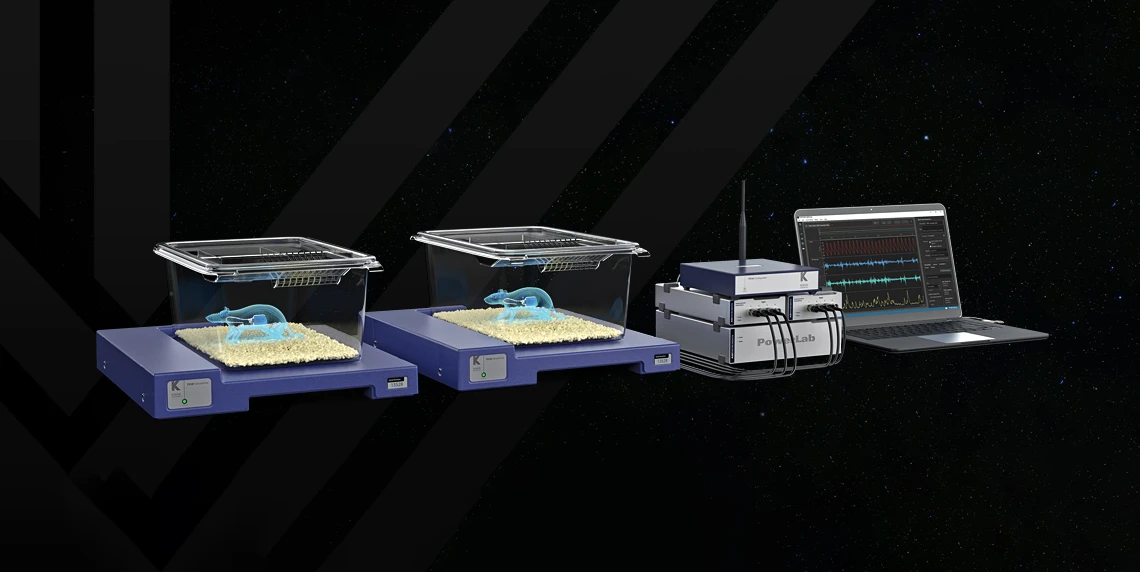
The Kaha small animal telemetry devices are part of our complete telemetry system for preclinical research. Our telemetry equipment includes state of the art data acquisition devices, analysis software, wireless transmission configuration device, recharging pads, and wireless telemeters. The Kaha SmartPad and Kaha tBase provide reliable power and signal transmission, giving you everything you need for successful mouse telemetry or rat telemetry experiments.
Configure a Rat Telemetry System
Rat Telemeter of your choice
+
One SmartPad per animal
+
One Configurator System per lab
+
PowerLab options
+
Typical Telemetry Applications and Signal Options
Pressure
ECG
Sympathetic Nerve Activity (SNA)
Tissue Oxygen
Left Ventricular Pressure
Intracranial Pressure
Epilepsy
Sleep and Circadian Rhythm
EMG
EEG
Temperature
dP/dt
Video
Configure a Mouse Telemetry System
Typical Telemetry Applications and Signal Options
Biopotentials
ECG
EMG
EEG
Index of Activity
Epilepsy
Sleep and Circadian Rhythm
Video
Real Results in Research

Prof. Cameron Metcalf
University of Utah
Improving pre-clinical epilepsy screening with Kaha Telemetry

Dr. Fiona McBryde, Ph.D.
University of Auckland
User Experiences, Challenges, and Inspiring Future Research

Dr. Aaron Phillips, Ph.D.
University of Calgary
Next-Generation Techniques for Understanding Neural Hemodynamic Control


Connar Westgate, Ph.D.
University of Copenhagen
Understanding Intracranial Pressure in Freely Moving Rats
Citations
Kaha catheters have been tested and validated as an accurate and trustworthy combination for research.


Manuals, Brochures, and Tech Specs
Browse our technical telemetry information to learn about Kaha's best practices and get an idea of how to use telemetry in your research.
How could continuous, high quality wireless data collection transform your research?
Talk to our team
Want more? See our Resources for Telemetry Success »
Flexible Data Acquisition and Telemetry Software
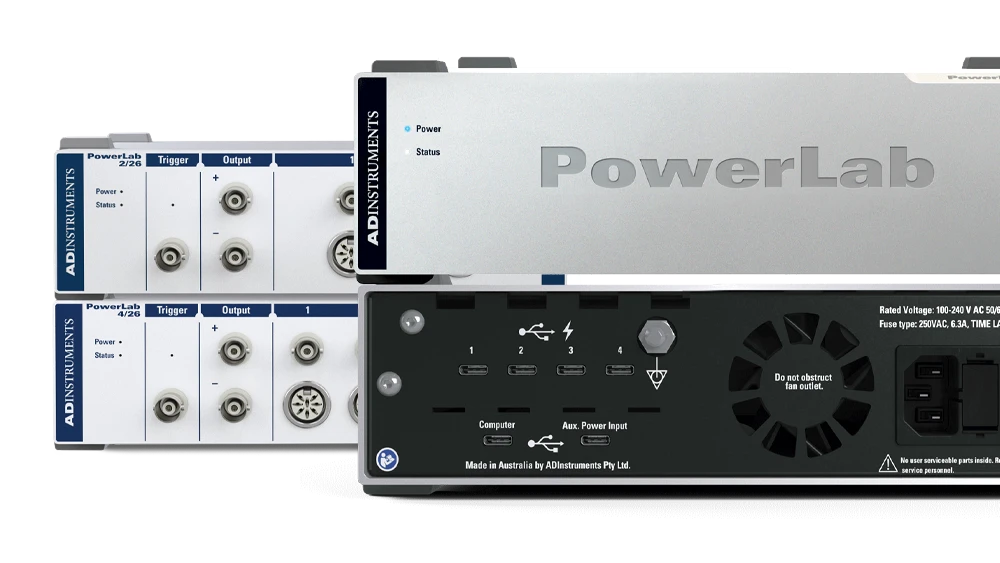
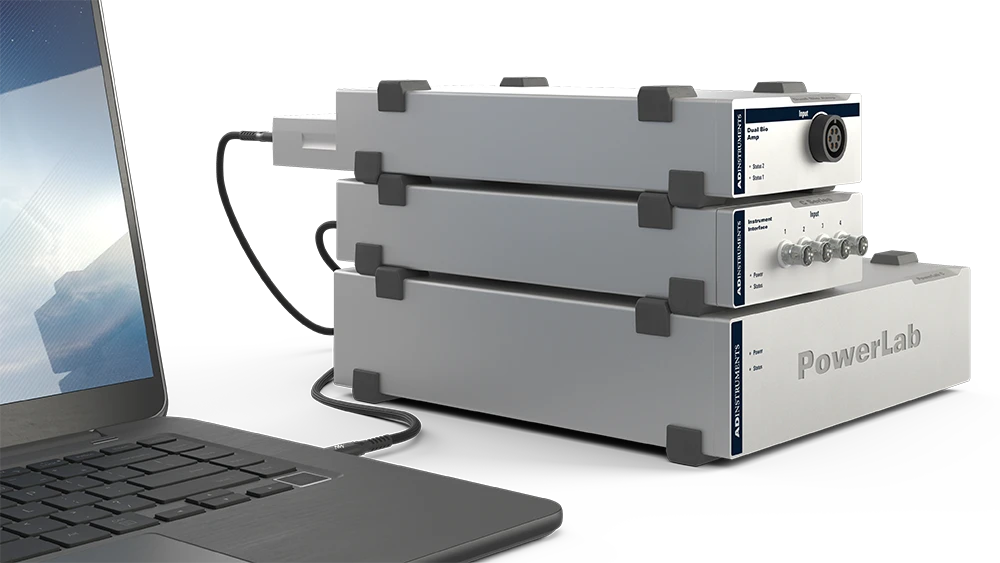
Kaha telemeters seamlessly integrate with PowerLab and LabChart for precise signal acquisition and analysis of large data sets while enhancing animal welfare and research efficiency.


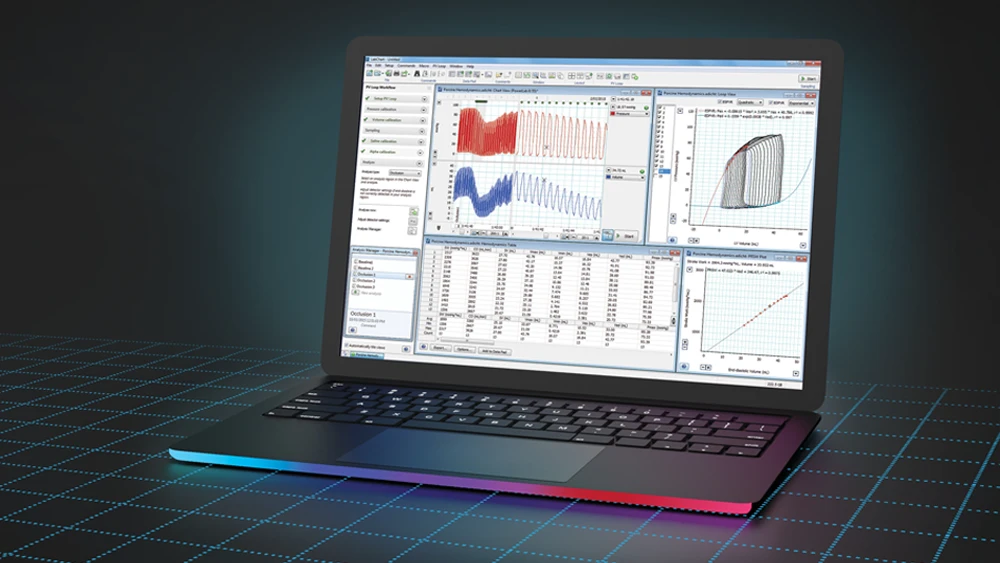

All your analysis in one place
LabChart software is designed specifically for life science data and provides up to 32 channels for data display and analysis options that are powerful and easy to use. With auto-recognition of ADI and LabChart Compatible hardware, multi-window views, one touch recording, simultaneous recording from multiple devices, specialized preconfigured settings, easy sharing options and an interface that can be customized to show only the features you want to use.
Related Add-Ons


Detect the blood pressure signal and derive systolic, diastolic changes.
Wireless ECG and Blood Pressure Telemetry for Preclinical Research
Kaha Sciences provides advanced telemetry solutions designed with preclinical cardiovascular and neurophysiology research precision in mind. Our implantable mouse telemetry devices enable researchers to capture ECG, EMG, and EEG signals from conscious, freely moving mice. Our implantable rat telemetry devices also enable blood pressure, tissue oxygen, and sympathetic nerve activity monitoring.
Whether you need an ECG telemetry system for chronic cardiovascular studies, wireless EEG recording for sleep research, or multi-parameter monitoring for autonomic studies, Kaha's telemeters integrate seamlessly with PowerLab and LabChart for comprehensive data acquisition and analysis.
For researchers transitioning from tethered systems, rodent telemetry systems offer significant advantages: reduced stress artifacts, improved animal welfare, and the ability to collect data continuously without investigator presence.
Easily calculate and display at least 30 ventricular and arterial waveform parameters.
Related Telemeters
Related 3D Implant Models
Understand acute or chronic changes in ECG waveform morphology with our ECG Analysis module.
Related Telemeters
Biopotential Telemeter (ECG, EEG, EMG)
Related 3D Implant Models
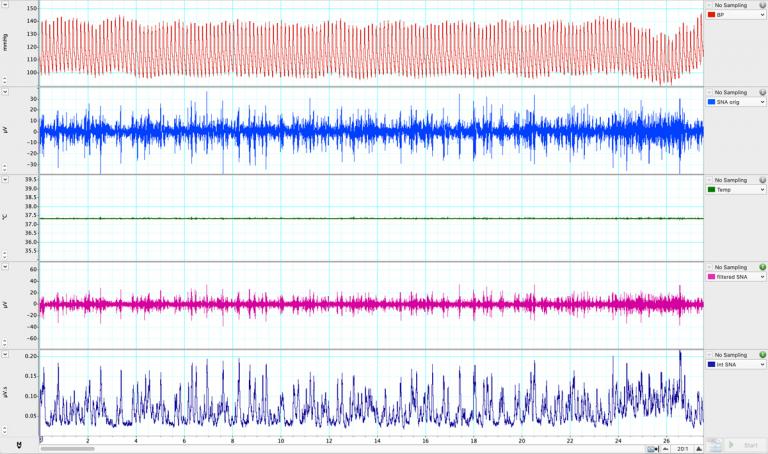
The autonomic regulation of blood flow to various systems is dominated by the activity of the sympathetic nervous system. Alterations of SNA to most vascular beds (e.g. renal, splanchnic, skeletal muscle) results in acute arterial pressure responses.
Related Telemeters
Related 3D Implant Models
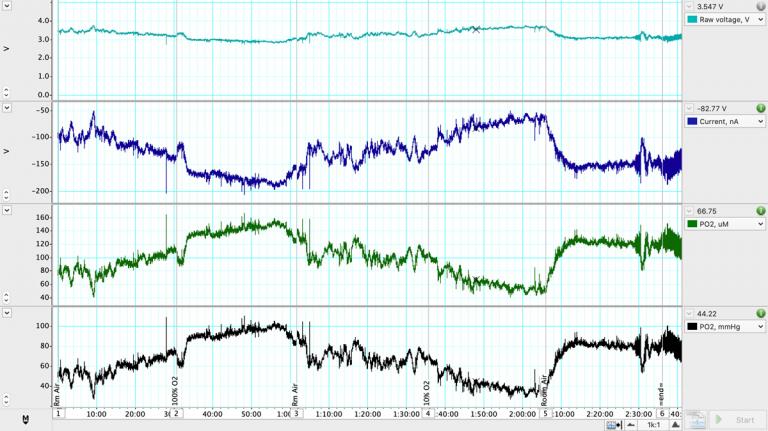
Tissue oxygen is a measure of the concentration of oxygen within a tissue, usually quantified as a partial pressure in mmHg.
Related Telemeters
LVP is a direct measure of heart health and function. It can be measured using a Pressure Telemeter inserted directly into the left ventricle. Inserting the catheter tip ~10mm into the heart has been found to give the most stable LVP signals over long periods of time.
Related 3D Implant Models
Intracranial Pressure measures the pressures exerted on the brain primarily by cerebrospinal fluid and blood. In rats, this can be measured using a 25cm Pressure Telemeter.
Related 3D Implant Models
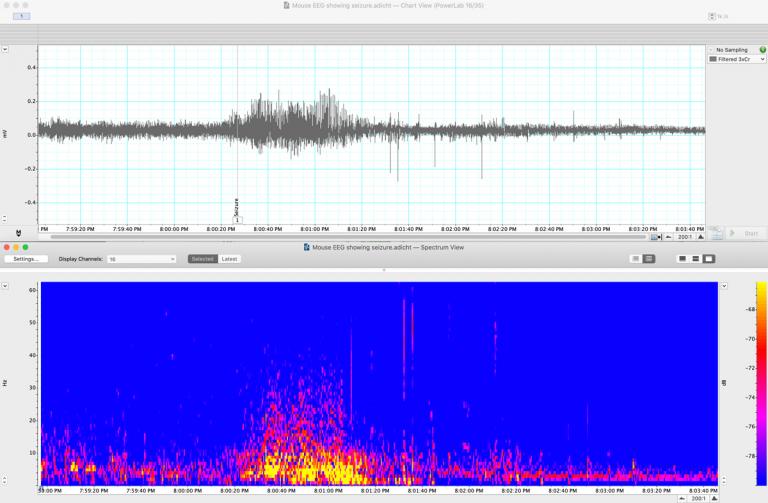
Long timescale EEG is ideal for characterising the features of epilepsy; identifying any changes before, during, after, and long-after a seizure occurs.
Continuous EEG through telemetry allows you to track the length of each stage of sleep, and correlate any related behaviours.
Related Telemeters
Biopotential Telemeter (ECG, EEG, EMG)
Related 3D Implant Models
Electromyography (EMG) is the study of muscle electrical activity. Quantify muscle movement, activity, effort, and fatigue.
Related Telemeters
Biopotential Telemeter (ECG, EEG, EMG)
Related 3D Implant Models
Wirelessly transmit core temperature measurements.
All Rat Telemeters measure temperature as a recorded signal (except in cohousing mode).
dP/dt is a signal derived from pressure, typically ventricular blood pressure, that indicates the change in pressure over time.
Related 3D Implant Models
Record the electrical activity of the brain that occurs between pairs of electrodes in contact with the scalp and represents the sum of a large amount of underlying neural activity.
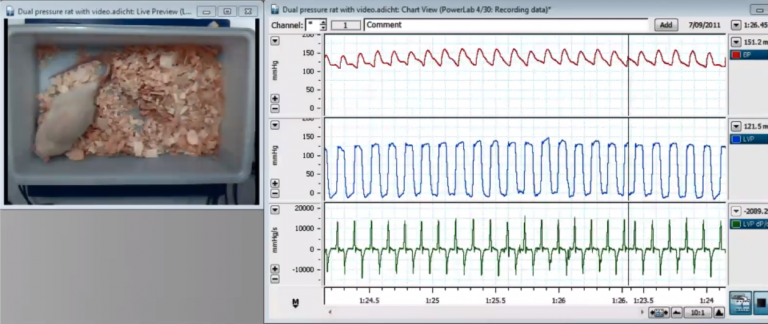
LabChart’s Video Capture Module is suitable for use with a wide range of video cameras and capture cards. Captured video is automatically stored as a Windows Media Video (.wmv) file.
Record high quality wireless biopotential signals (ECG, EEG, or EMG) in mice over 22 grams.
Related Telemeter
Understand acute or chronic changes in ECG waveform morphology with our ECG Analysis module.
Related Telemeter
Electromyography (EMG) is the study of muscle electrical activity. Quantify muscle movement, activity, effort, and fatigue.
Related Telemeter
Record the electrical activity of the brain that occurs between pairs of electrodes in contact with the scalp and represents the sum of a large amount of underlying neural activity.
Related Telemeter
Track where and how often your mice are moving within their cages with the Index of Activity.
Related Telemeter
Long timescale EEG is ideal for characterising the features of epilepsy; identifying any changes before, during, after, and long-after a seizure occurs.
Related Telemeter
Continuous EEG through telemetry allows you to track the length of each stage of sleep, and correlate any related behaviours.
Related Telemeter
LabChart’s Video Capture Module is suitable for use with a wide range of video cameras and capture cards. Captured video is automatically stored as a Windows Media Video (.wmv) file.