

beta1 -Adrenoceptor, but not beta2 -adrenoceptor, subtype regulates heart rate in type 2 diabetic rats in vivo
Abstract
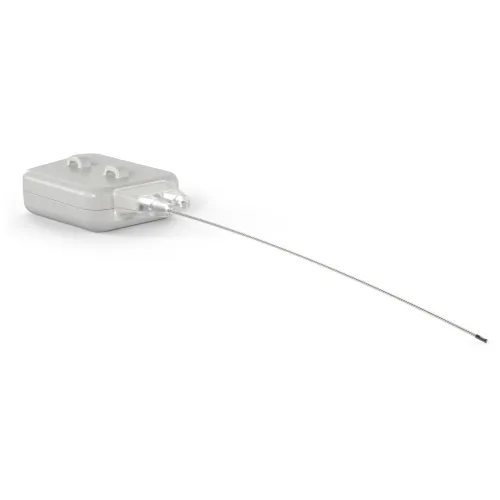
NEW FINDINGS: What is the central question of the study? The sympathetic system regulates heart rate via beta-adrenoceptors; this is impaired during diabetes. However, the specific beta-adrenoceptor subtype contributions in heart rate regulation in diabetes in vivo are unknown. What is the main finding and its importance? Telemetric recordings in conscious non-diabetic and type 2 diabetic rats demonstrated that the beta1 -adrenoceptor subtype, and not the beta2 -adrenoceptor, regulated the lower resting heart rate and increased beta-adrenoceptor responsiveness in diabetes in vivo. This provides new physiological insight into the dysregulation of heart rate in type 2 diabetes, which is important for improving therapeutic strategies targeting the diabetic chronotropic incompetence. beta-Adrenoceptor blockers are widely used to reduce heart rate, the strongest predictor of mortality in cardiac patients, but are less effective in diabetic patients. This study aimed to determine the specific contributions of beta1 - and beta2 -adrenoceptor subtypes to chronotropic responses in type 2 diabetes in vivo, which are currently unknown. Type 2 diabetic and non-diabetic rats were implanted with radiotelemeters to measure arterial blood pressure and derive heart rate in conscious conditions. Vascular access ports were implanted to inject isoprenaline (beta1 - and beta2 -adrenoceptor agonist, 0.1-300 mug kg(-1) ) in the presence of atenolol (beta1 -adrenoceptor antagonist, 2000 mug kg(-1) ) or nadolol (beta1 - and beta2 -adrenoceptor agonist, 4000 mug kg(-1) ) to determine the chronotropic contributions of the beta-adrenoceptor subtypes. Resting heart rate was reduced in diabetic rats (388 +/- 62 versus 290 +/- 37 beats min(-1) non-diabetic versus diabetic, P < 0.05, mean +/- SD), which remained after atenolol or nadolol administration. Overall beta-adrenoceptor chronotropic responsiveness was increased in diabetic rats (change in heart rate at highest dose of isoprenaline: 135 +/- 66 versus 205 +/- 28 beats min(-1) , non-diabetic versus diabetic, P < 0.05), a difference that diminished after beta1 -adrenoceptor blockade with atenolol (change in heart rate at highest dose of isoprenaline: 205 +/- 37 versus 195 +/- 22 beats min(-1) , non-diabetic versus diabetic, P < 0.05). In conclusion, the beta1 -adrenoceptor is the main subtype to modulate chronotropic beta-adrenoceptor responses in healthy and diabetic rats. This study provides new insights into the pathological basis of dysregulation of heart rate in type 2 diabetes, which could be important for improving the current therapeutic strategies targeting diabetic chronotropic incompetence.
ADInstruments products used

Publication Details
- Journal
- Experimental physiology
- Volume
- 102
- Pages
- 911-923