

Effect of type 2 diabetes, surgical incision, and volatile anesthesia on hemodynamics in the rat
Abstract
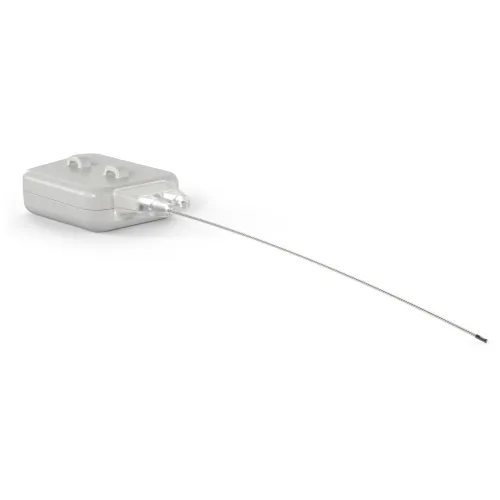
Diabetic patients have increased cardiac complications during surgery, possibly due to impaired autonomic regulation. Anesthesia lowers blood pressure and heart rate (HR), whereas surgical intervention has opposing effects. The interaction of anesthesia and surgical intervention on hemodynamics in diabetes is unknown, despite being a potential perioperative risk factor. We aimed to determine the effect of diabetes on the integrative interaction between hemodynamics, anesthesia, and surgical incision. Zucker type 2 diabetic rats (DM) and their nondiabetic littermates (ND) were implanted with an intravenous port for drug delivery, and a radiotelemeter to measure mean arterial blood pressure (MAP) and derive HR (total n = 50). Hemodynamic pharmacological responses were assessed under conscious, isoflurane anesthesia ( 2-2.5%), and anesthesia-surgical conditions; the latter performed as a laparotomy. MAP was not different between groups under conscious conditions (ND 120 +/- 6 vs. DM 131 +/- 4 mmHg, P > 0.05). Anesthesia reduced MAP, but not differently in DM (ND -30 +/- 6 vs. DM -38 +/- 4 DeltammHg, P > 0.05). Despite adequate anesthesia, surgical incision increased MAP, which tended to be less in DM (ND +21 +/- 4 vs. DM +13 +/- 2 DeltammHg
ADInstruments products used

Publication Details
- Journal
- Physiological reports
- Volume
- 5
- Pages
- 10.14814/phy2.13352