

How active learning reshapes physiology education for the better

Dr. Voula Gaganis
Voula Gaganis PhD, MEd (HighEd), SFHEA
Associate Professor in Physiology, Flinders University, Australia
Teaching Program Director (Clinical)
Coordinator, Bachelor of Medical Science (Laboratory Medicine)
- Recipient 2021 Australian Awards for University Teaching (AAUT): Citation for Outstanding Contribution to Student Learning
- South Australia 2024 STEMM Educator of the Year award
- 2024 National Teaching Award through Universities Australia, Teaching Excellence in Health
In a world that is growing increasingly complex, science offers an anchor amidst the chaos. There can never be too many scientists - we need their creative and logical minds for curing disease, engineering sustainable living, and understanding the universe. That’s why science education is so important, and why we need to know the best ways to teach.
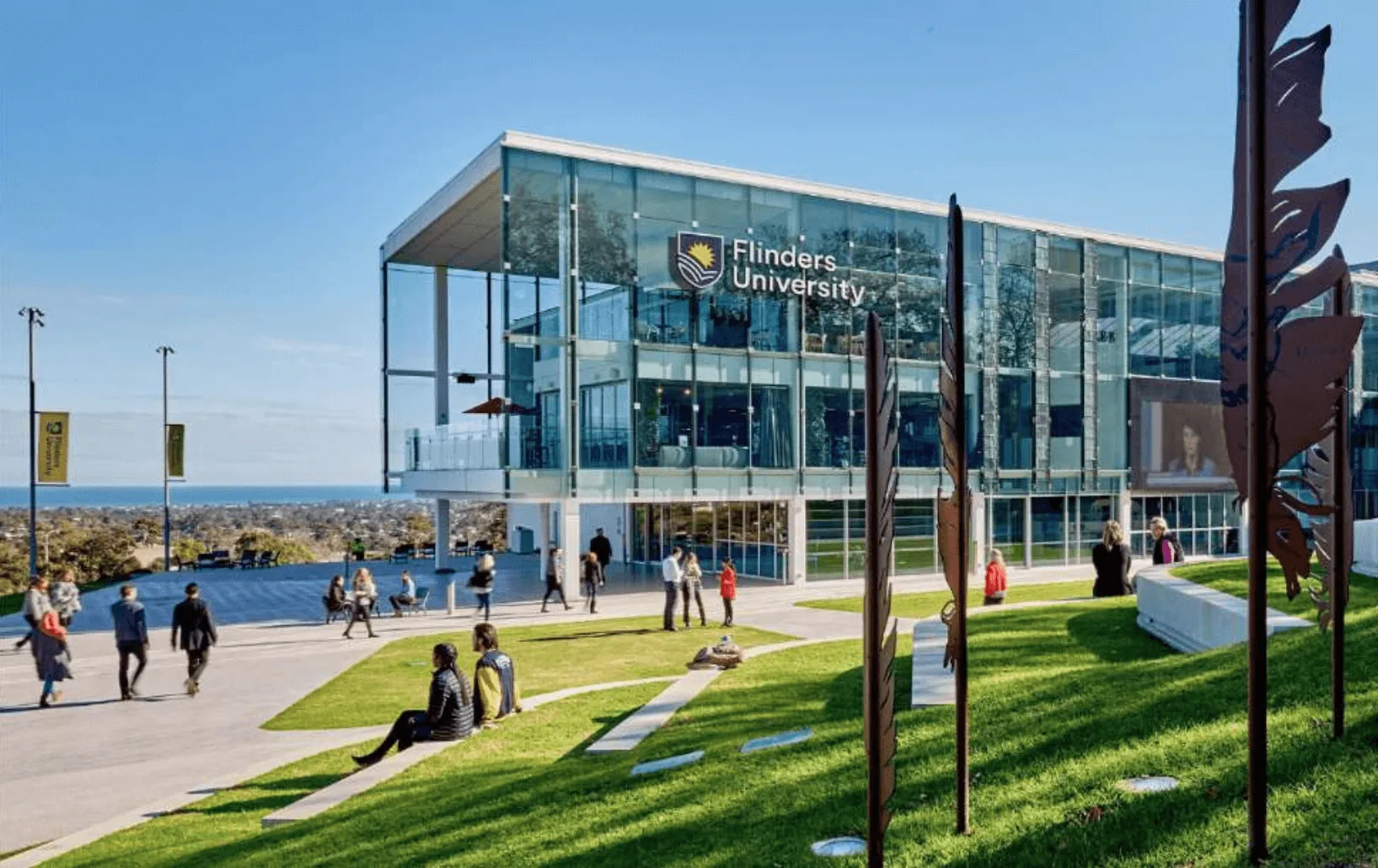
At Flinders University in picturesque Adelaide, Associate Professor Voula Gaganis knows a thing or two about getting the best out of her students studying medical biosciences.
Key facts
- Flinders University is ranked in the top 2% of universities worldwide (THE World University Rankings 2023).
Drawing from humble experiences
Voula’s pathway to becoming a medical research scientist and educator is both inspiring and relatable to her students.

The first in her family to go to university, Voula is from a culturally and linguistically diverse background; her father immigrated to Australia in the 1960s from Greece. “My family taught me the value of having a strong work ethic, patience, and perseverance to succeed.” Known as “grit”, we now know it as a predictor of success on many levels, including educational success (Duckworth, 2013).
“I was 17 years-old when I started studying as a first year in my applied science degree; it was challenging for me to master being a university student, to have a sense of belonging and to intuitively know what the expectations of me were. The university mentors who I had early on in my studies helped shape who I am as an educator today.”
It was these early experiences in her academic career that inspired Voula to be what she calls a “humble educator”. When asked what that means, she smiles and recalls her experiences as a PhD student at Flinders University.
“One of my most valued memories of being a student was as a research higher degree student early in my PhD. My supervisor would always welcome my questions without judgment, and never made me feel like I was asking something that was unimportant.”
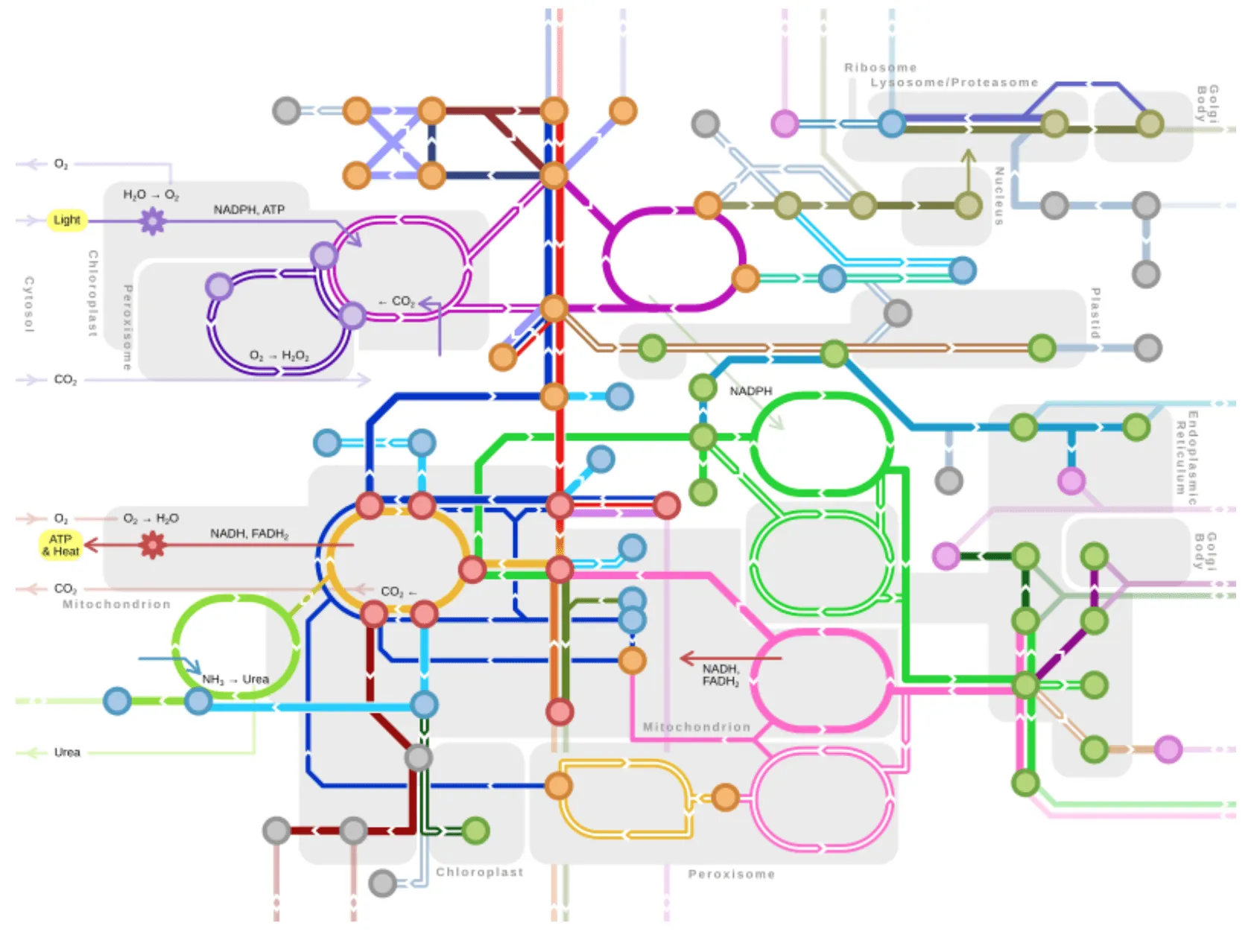
Students can be overwhelmed by the complexities of physiology.
“One day in first year she brought into the lab a very large piece of butcher's paper, popped it onto the floor – it was so big - and we mapped out the biochemical pathways that underpinned my PhD research so we could piece it together in a way that made sense to me.”
“My PhD research, based in clinical pharmacology, was about anti-inflammatory drugs and their breakdown in the body by drug-metabolizing enzymes in the human kidneys. This meant late nights waiting for precious human kidney tissue post-operations at the hospital nearby the university."
"This was followed by more late nights and early mornings preparing microsomes from that fresh tissue.”
“While I was learning the laboratory techniques, using specialized equipment, my supervisor would stay in the lab with me and mentor my learning until sometimes 3 am; meticulously and patiently teaching me those unique skills and best laboratory practice.”
“I value that mentorship and still catch up with my PhD supervisor to this day.”
This compassionate approach to teaching complex scientific topics isn’t all that common, often due to the large size of undergraduate classes and the intense workloads on educators. Many students feel challenged by the volume of learning and the competing demands in their own lives. This often leads to being overwhelmed and confused - and sometimes students don’t say anything at all, and struggle in silence. This is something Voula is tackling with her revised human physiology curriculum in the Medical Sciences program.
“I was always conscious of bringing those humble experiences that I had with my PhD supervisor, making sure that I create safe learning environments for students to learn.”
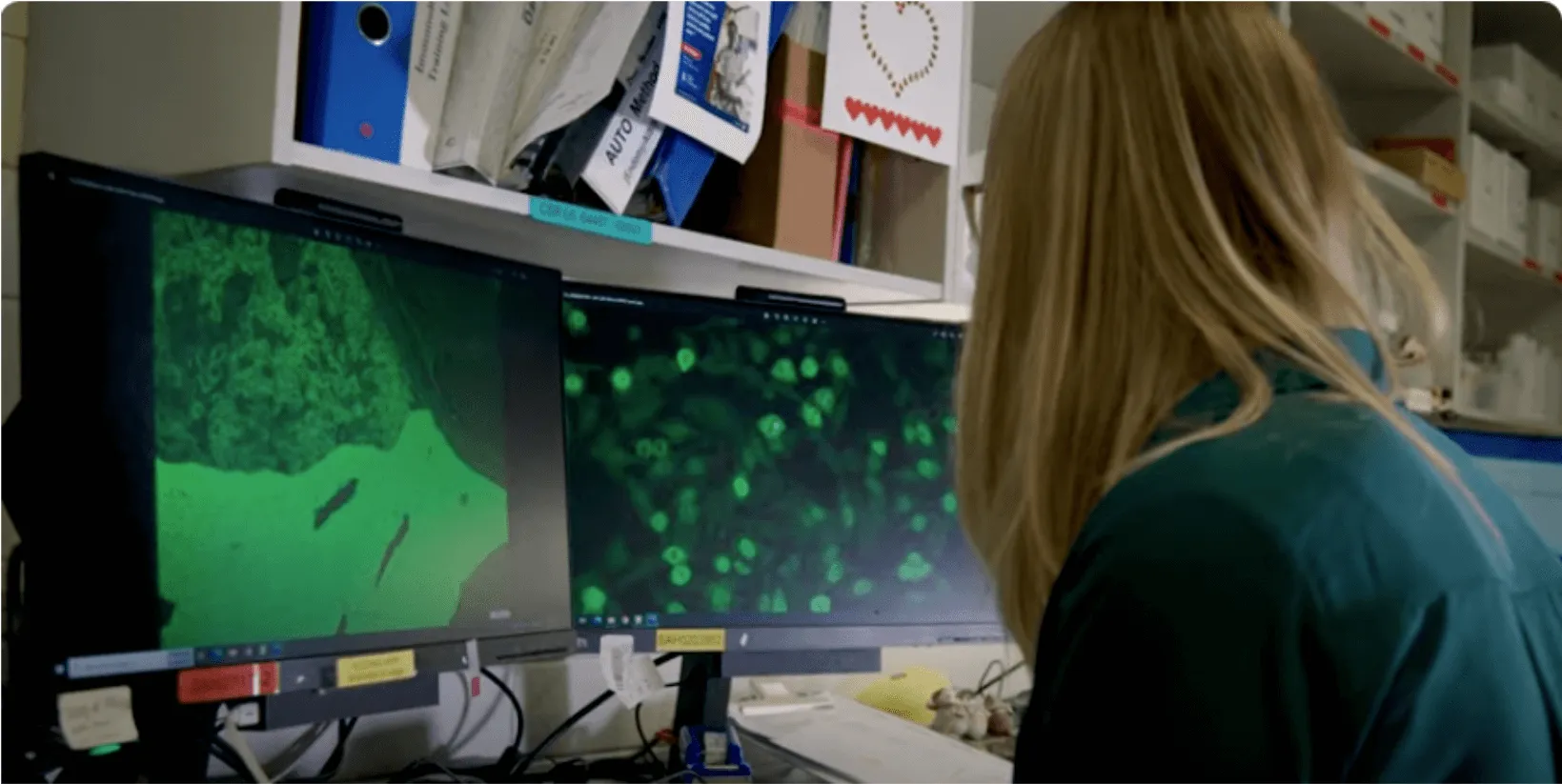
Students at Flinders University have the opportunity to engage with different research methodologies.
Now, Voula focuses on evidence-based teaching methods, with a particular focus on active, hands-on learning. Using physiology as an example, active learning allows students to measure their own biological signals (ECG, reflexes, spirometry) and learn about how the body works in a fundamental way, including learning about biological variability.
But what is active learning?
A guide by the side
Active learning is the complete opposite to what you might think about when you picture a traditional classroom or lecture theater. In fact, close your eyes and picture it now. What do you see? Rows of desks, a lecturer standing at the front, maybe a whiteboard and a stack of textbooks?
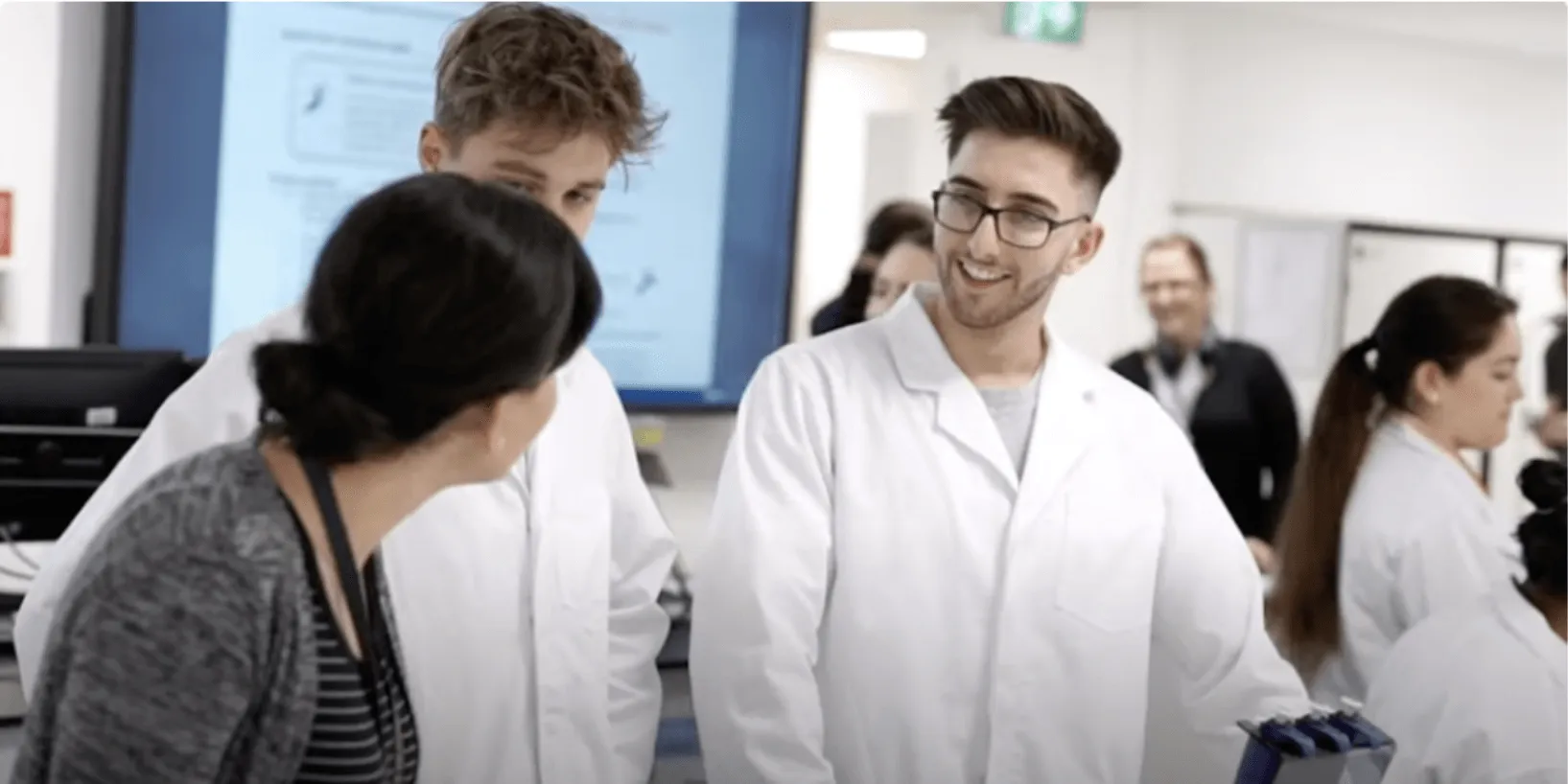
While this teacher-centric model dominated teaching for years, new approaches have found their way onto the scene. Active learning gives students responsibility and gets them to engage with what they are learning in the moment, rather than passive transmission of information through didactic methods (such as a lecture). While there is an important place for that concrete information that can be provided in a lecture, what is more important is the opportunity to apply that theoretical knowledge in an active, practical way. This is a great opportunity to shift knowledge into a student's long-term memory and enable deeper and more meaningful learning to occur.
An example of active learning is problem-based learning, where students are presented with a problem and given time to work together to establish hypotheses and evidence to support the solution to this problem. The main idea is that active learning provides students with the opportunity to develop skills and qualities as well as knowledge. These skills are important for their future lives and careers, and include teamwork, time management, integrity, and resilience.
“Problem-based learning is something that I'm a strong advocate for. It allows learners to work together socially to apply their knowledge and co-create their understanding of a subject. The role of the tutor or educator in that environment is to create a safe space for learning and be a guide by the side…the students are central to this process versus a teacher-centric format.”
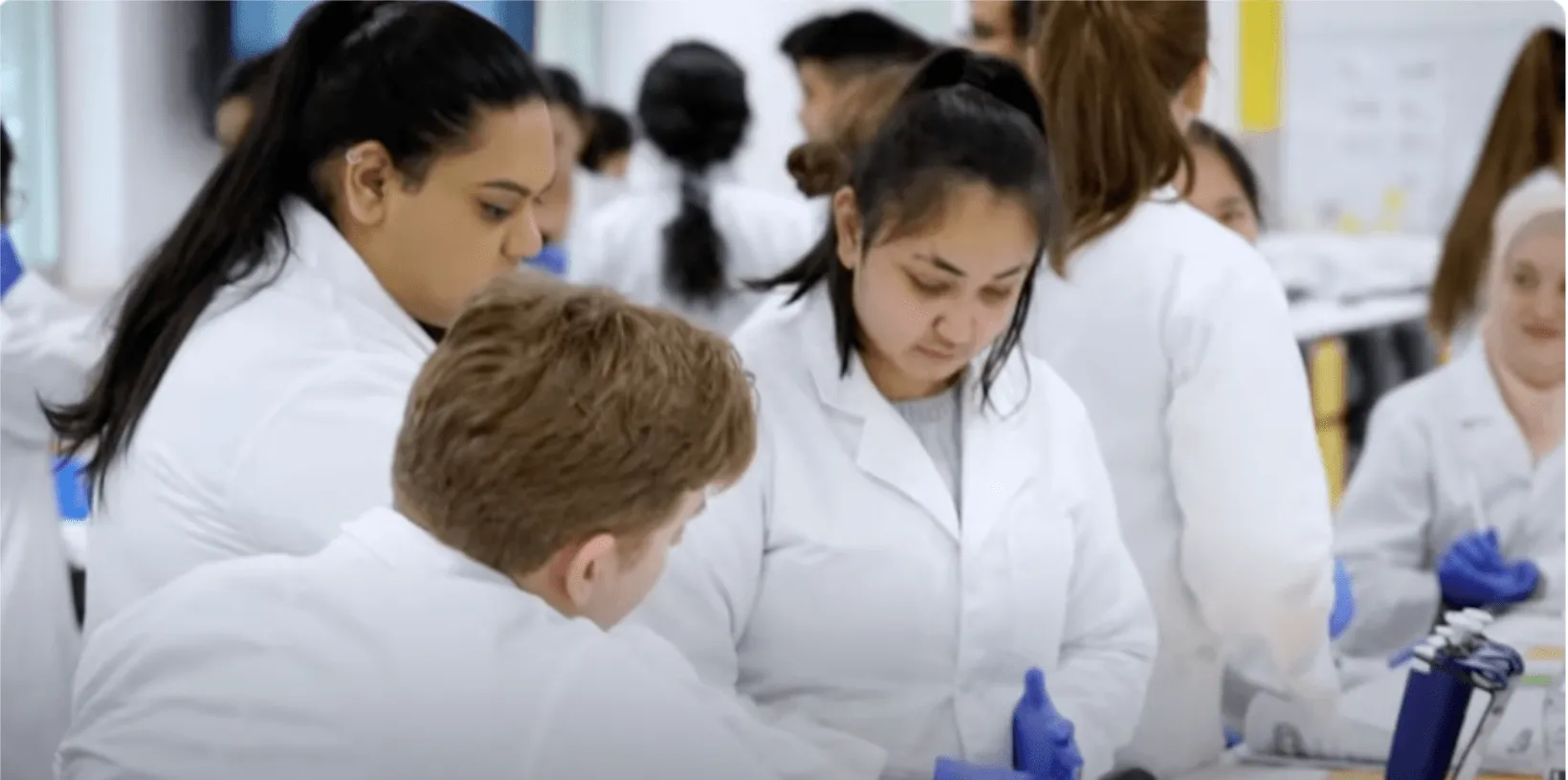
This approach of guiding from the side reflects Voula’s own personal philosophy of humble teaching - the ethos of really listening to students and understanding where their learning challenge is, so that she can support them to discover their light bulb moment of understanding.
Not only that, but we know that active learning works.
Key facts
- Active learning reduces the achievement gaps for underrepresented students in STEM by 45% (Theobald et al., 2020).
- Students fail 55% less when learning through active learning methods compared to traditional lecturing (Freeman et al., 2014).
The problem and the challenge
Medical sciences, and associated courses like physiology, are in high demand at today’s universities. Students who study STEMM (Science, Technology, Education, Mathematics and Medicine) courses can follow their passions to the cutting-edge of research, help others by pursuing healthcare, and earn more than those in non-STEMM jobs.
For Voula, she remembers being appointed to the role of Course Coordinator of Medical Sciences in 2019, and later to the role of Teaching Program Director for Medical Biosciences in 2023, and facing a hugely diverse group of students. She was overseeing the learning of 500 students from 20 different courses across the university, including clinical sciences, medical science, allied health,and biomedical engineering.
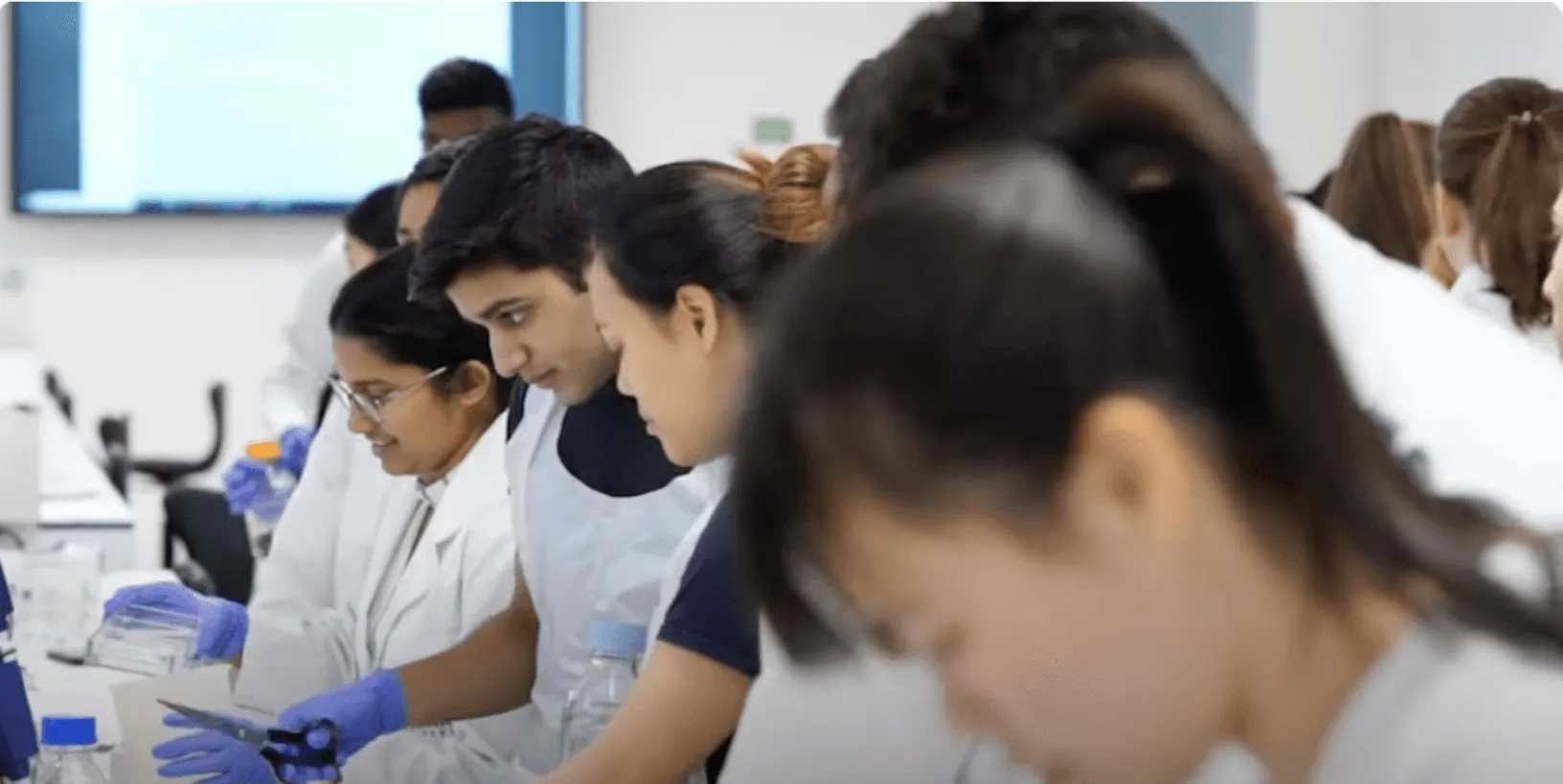
Unfortunately, these students weren’t getting the hands-on experience in the lab that would boost their engagement with and passion for science, specifically human physiology. Voula reflects, “The students were learning primarily through lectures, quizzes, and lectorials.”
“There was something fundamentally missing from the experience of the students, and it was evident in their evaluations and in their success.”
So how did Voula go about fixing this? And what can we learn to apply in our own courses?
Key facts: We need more scientists
- <40% of students who start a STEM course graduate with a degree in their chosen field* (Stevens Institute of Technology, 2023).
- 62% of A&P 1 students scored lower than a C (Hopper, 2011).
- 36% of A&P 1 students dropped out of the course (Hopper, 2011).
- In Australia, there will be a shortfall of more than 10,600 general practitioners (GPs) by 2032 (Australian Medical Association, 2022).
Driving student success with active tools
Reviewing past student feedback and course materials, Voula immediately knew that she wanted to lead change. Evidence in physiology education literature identifies physiology as “hard to learn” (Michael, 2007). With an abundance of literature showing how active learning is key to improving student outcomes, she knew that introducing practical learning to these students was critical to making this positive change.
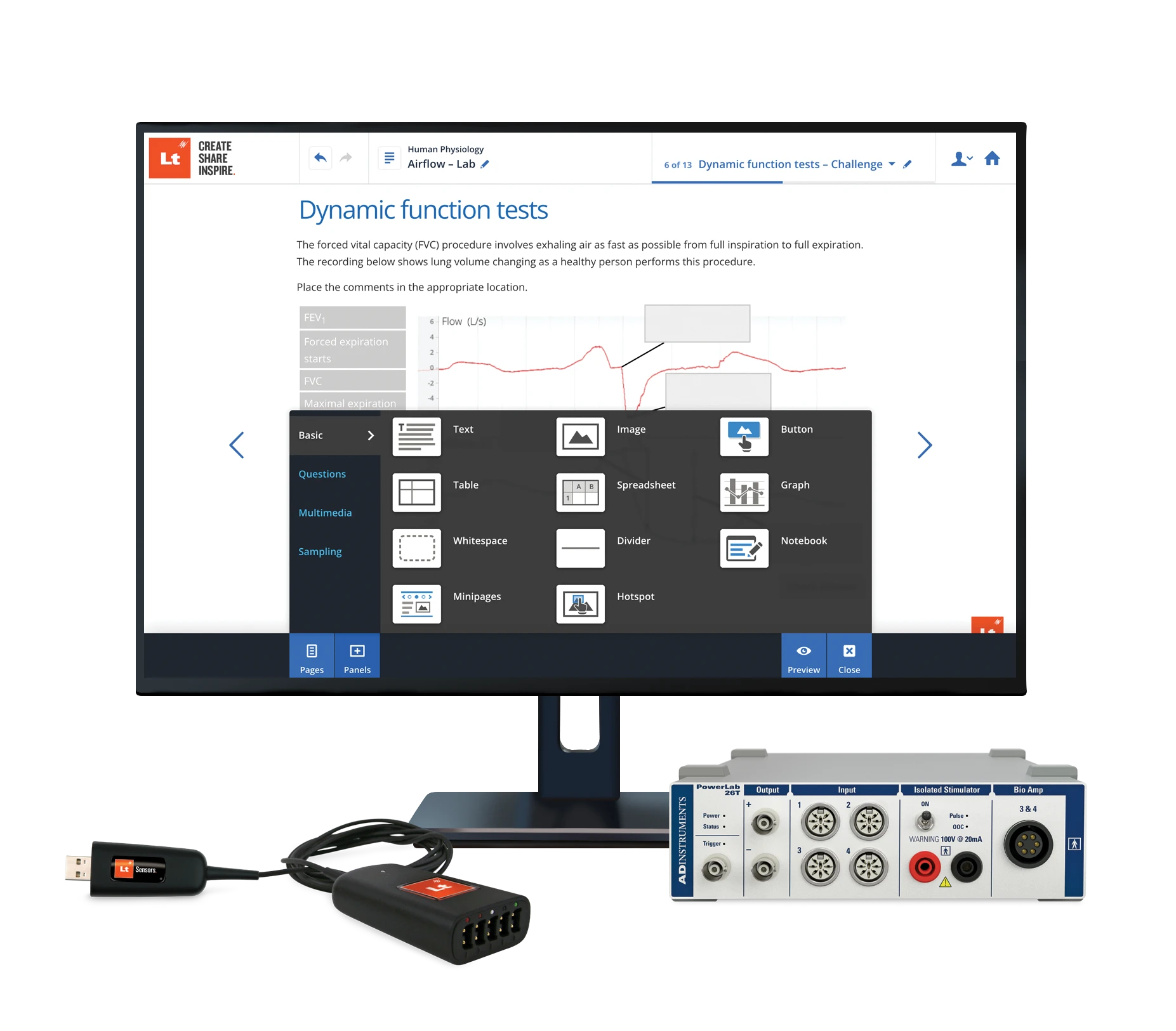
Lt - Online Learning Platform
She took the lecture-based Human Physiology curriculum in one topic and totally revised it - adding interactive tutorials, drop-in sessions, and reflective writing tasks. She also piloted two online tools: Mastering A&P, and Lt, an online learning platform for the sciences.
It took some convincing, particularly for students who were used to passive learning via lectures. Voula started to explicitly talk about active learning in her opening lecture, to bring students in on the psychology of active learning and the power of social connection.
The results were stunning
Students not only valued their learning experiences more, but also rated their learning materials highly and showed improved scores on their exams. These improvements occurred over several years, and resulted in an overall improvement in multiple topics.
Course improvements
- In 2021, the impact of active learning in the Medical Science course was evidenced by students’ 96% satisfaction rate for the learning resources across the whole course, above Flinders University 87% rating, and national university average of 81% (2021 SES Report, qilt.edu.au, https://www.qilt.edu.au/resources?survey=SES&type=Reports&year=2021).
Physiology, Topic-specific improvements
- 91% of students rated they had an overall worthwhile learning experience in 2021, an improvement of 46% from 2018 (pre-active learning).
- 97% of students rated the learning resources were of high quality (an improvement of 47%; 50% in 2018 to 97% in 2021).
- Use of Lt led to a 10% increase in the % of common exam questions marked correct.
The spread of achievement that Voula had seen when she took on the class, where some students were performing extremely well and others not so well, was also reduced.
“Once I introduced physiology practicals using Lt, students became more enthusiastic and they were able to work together socially to lift the level of learning in their peers. The data showed a reduction in the variability or spread of students’ topic success, [and] the results were statistically significant.”
Now that Voula had taken the leap, her colleagues started to get curious. She says, “One of my colleagues said, ‘Seeing the effect that active learning had in your topics inspired me to embark on major topic changes of my own’, and so that colleague used Lt for plasticine and anatomical models. And that received 98.5% positive feedback [from] nearly 200 students.”
Students at the center
Ultimately, it’s Voula’s humble approach to teaching that has led to her success. She’s keen to see the world from her students’ perspective - and she sees this approach as the thing that can set educators apart in a world that is becoming increasingly infiltrated by artificial intelligence.
“We know that Gen Z values visual and interactive educational contexts with relevant and current digital technologies. (Hernández-de-Menéndez et al., 2020).
We also know they value relationships with peers and educators, particularly trust in the educator. Our value proposition is that we provide that relational, compassionate approach, that understanding of what it might be like to not immediately understand something that's complex - and we can scaffold learning with opportunities to build and also potentially repair mental models.”
Ultimately, it all comes back to the butcher’s paper in the PhD lab - relating to the student and putting them at the center of what you do. In return, Voula has been rewarded with trust.
“[Students] really trusted me and my colleagues to provide them with the learning environment, to provide them with everything they needed to learn. They really needed to trust the educators.”
Finding what challenges you - and doing it
Voula continues to research physiology education; her work has been recognised with an Australian Award for University Teaching citation for outstanding contributions to student learning, and she is an invited member of a National Taskforce that researches core concepts for physiology education in an Australian context. Globally, Voula is an international representative for the Center for Physiological Education (CPE) as part of the core concepts huddle program - an initiative of the American Physiological Society (APS) in the United States.
She shares, “I'm currently researching how active learning has been able to improve student experience and success across lower socioeconomic groups and across students who are from diverse backgrounds. We have so many different students taking our courses and topics - international students, students who are not from a medical science course, students who have English as their second language, who are first-in-family at university. So we're trying to understand from our students how we can meet their learning needs - and so far we have seen that active learning using Lt has supported learning in these diverse groups.”
“Another key area that 24 physiology colleagues and I around Australia have been actively working on is defining the core concepts of physiology for the Australian context (Tangalakis et al, 2023). Embedding of core concepts across physiology curricula will allow consistency and benchmarking between Australian universities. At Flinders, we introduced the core concepts to physiology students and have begun embedding the 7 core concepts images into our curriculum items to support students to identify the concept they are learning about.”

Examples of illustrated icons used to represent core concepts in Flinders course material.
In the next phase, Associate Professor Gaganis will be working with the 24 Task Force members and with an assessment expert from the Australian Council of Educational Research (ACER; experts in assessment) to write higher-order question items which effectively assess the core concepts.
Ultimately, Voula has some words of advice for students - but they also work for physiology or medical educators who want to be fearless in their teaching.
“If there is a little pit in your stomach when you're starting or leading something new, like when I embarked on introducing active learning to a very large cohort of students, then it probably is the right direction for you to travel. It’s that strange space that feels a bit uncomfortable while you are in it, but once you go through it, it feels great! You know you have challenged yourself to grow and it gives you a different appreciation for your resilience and abilities.”
Thanks for sharing your story, Voula! We’re so glad to be able to support you and your students.
Are you curious about how you can use Lt in your teaching? Try Lt today »
Voula’s Recent Publications
- Virtual delivery: a panacea for the financial and ethical challenges associated with physiology laboratory classes?
- International educators' attitudes, experiences, and recommendations after an abrupt transition to remote physiology laboratories
- Establishing consensus for the core concepts of physiology in the Australian higher education context using the Delphi method
- Unpacking the homeostasis core concept in physiology: an Australian perspective
Learn more about Voula's research on the Flinders University site.
References
- Australian Medical Association. (November, 2022). The general practitioner workforce: why the neglect must end. https://www.ama.com.au/articles/general-practitioner-workforce-why-neglect-must-end
- Duckworth, A. L. (April, 2013). Grit: The power of passion and perseverance [Video]. TED Conferences. https://www.ted.com/talks/angela_lee_duckworth_grit_the_power_of_passion_and_perseverance?language=en
- Freeman, S., Eddy, S. L., McDonough, M., & Wenderoth, M. P. (2014). Active learning increases student performance in science, engineering, and mathematics. Psychological and Cognitive Sciences, 111(23), 8410-0415. https://doi.org/10.1073/pnas.1319030111
- Hernández-de-Menéndez, M., Díaz, C. A. E., & Morales‑Menendez, R. (2020). Educational experiences with Generation Z. International Journal on Interactive Design and Manufacturing, 14, 847-859. https://doi.org/10.1007/s12008-020-00674-9
- Hopper, M. (2011). Student Enrollment in a Supplement Course for Anatomy and Physiology Results in Improved Retention and Success. Journal of College Science Teaching, 40(3), 70-79. https://www.jstor.org/stable/42992862
- Michael, Joel. (2007). What Makes Physiology Hard for Students to Learn? Results of a Faculty Survey. AJP Advances in Physiology Education, 31(1), 34–40. https://doi.org/10.1152/advan.00057.2006
- Stevens Institute of Technology. (January, 2023). Why don’t students stick with STEM degrees? www.stevens.edu/news/why-dont-students-stick-with-stem-degrees
- Tangalakis, K., Julien, B. L., Lexis, L., Hryciw, D. H., Thomas, C. J., Husaric, M., Towstoless, M., MacKinnon, P. J., Miao, Y., & Hayes, A. (2023). Mapping the core concepts of physiology across Australian university curricula. Advances in Physiology Education, 47(3), 411-418. https://doi.org/10.1152/advan.00139.2022
- Theobald, E. J., Hill, M. J., Tran, E., & Freeman, S. (2020). Active learning narrows achievement gaps for underrepresented students in undergraduate science, technology, engineering, and math. https://doi.org/10.1073/pnas.1916903117
Dr. Voula Gaganis
Voula Gaganis PhD, MEd (HighEd), SFHEA
Associate Professor in Physiology, Flinders University, Australia
Teaching Program Director (Clinical)
Coordinator, Bachelor of Medical Science (Laboratory Medicine)
- Recipient 2021 Australian Awards for University Teaching (AAUT):
Citation for Outstanding Contribution to Student Learning - South Australia 2024 STEMM Educator of the Year award
- 2024 National Teaching Award through Universities Australia, Teaching Excellence in Health