


Pressure-volume (PV) loop studies are the gold-standard for measuring direct cardiac function, providing researchers with comprehensive, load-independent data.
Correct pressure-volume catheter placement within the ventricle is essential for collecting high-quality data and ensuring accurate measurements. Improper positioning of the catheter can cause a variety of problems that lead to compromised data quality, including increased artifacts, catheter damage, and overestimations or underestimations of ventricular volume.
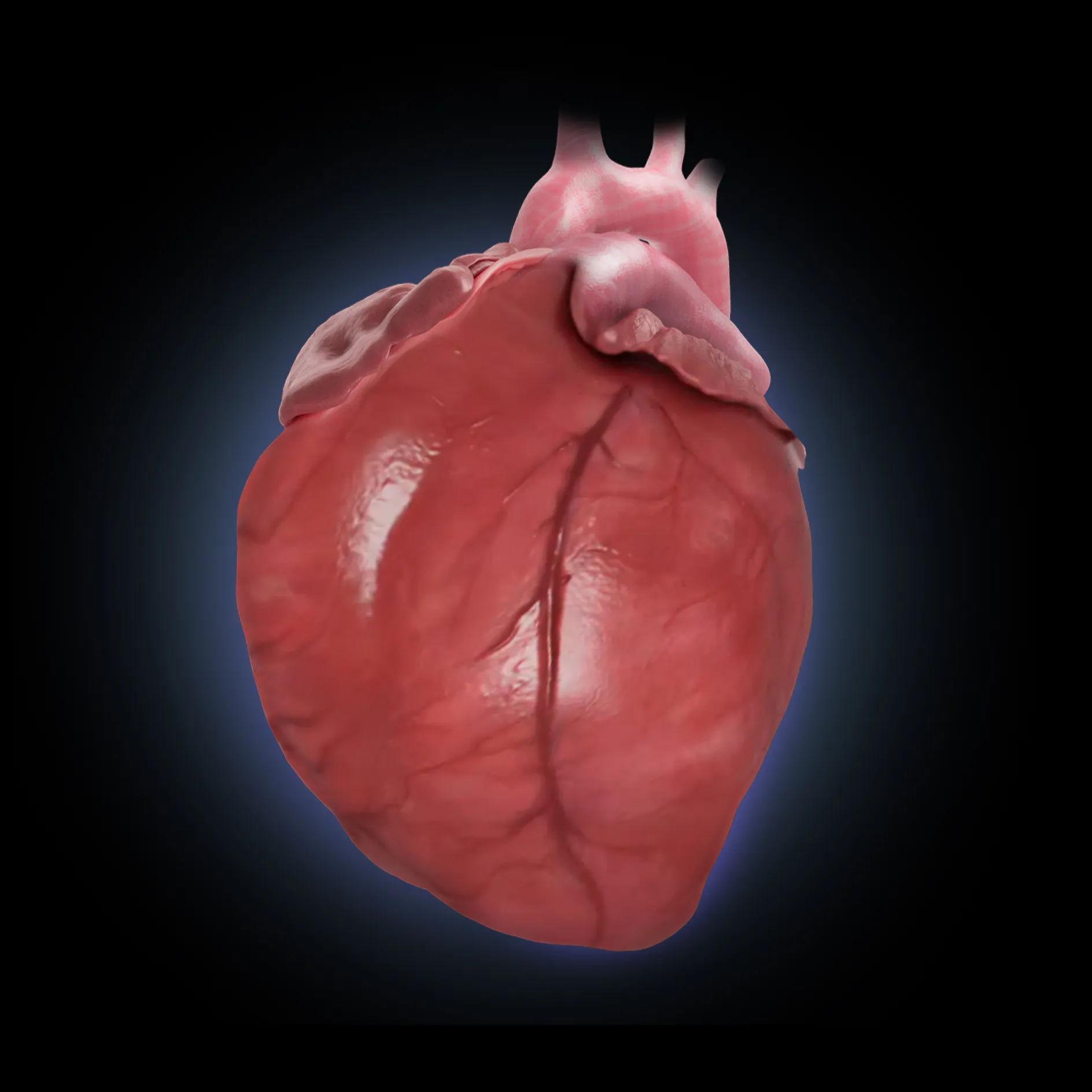
Correctly positioning your catheter within the left ventricle can be a difficult game of trial and error.
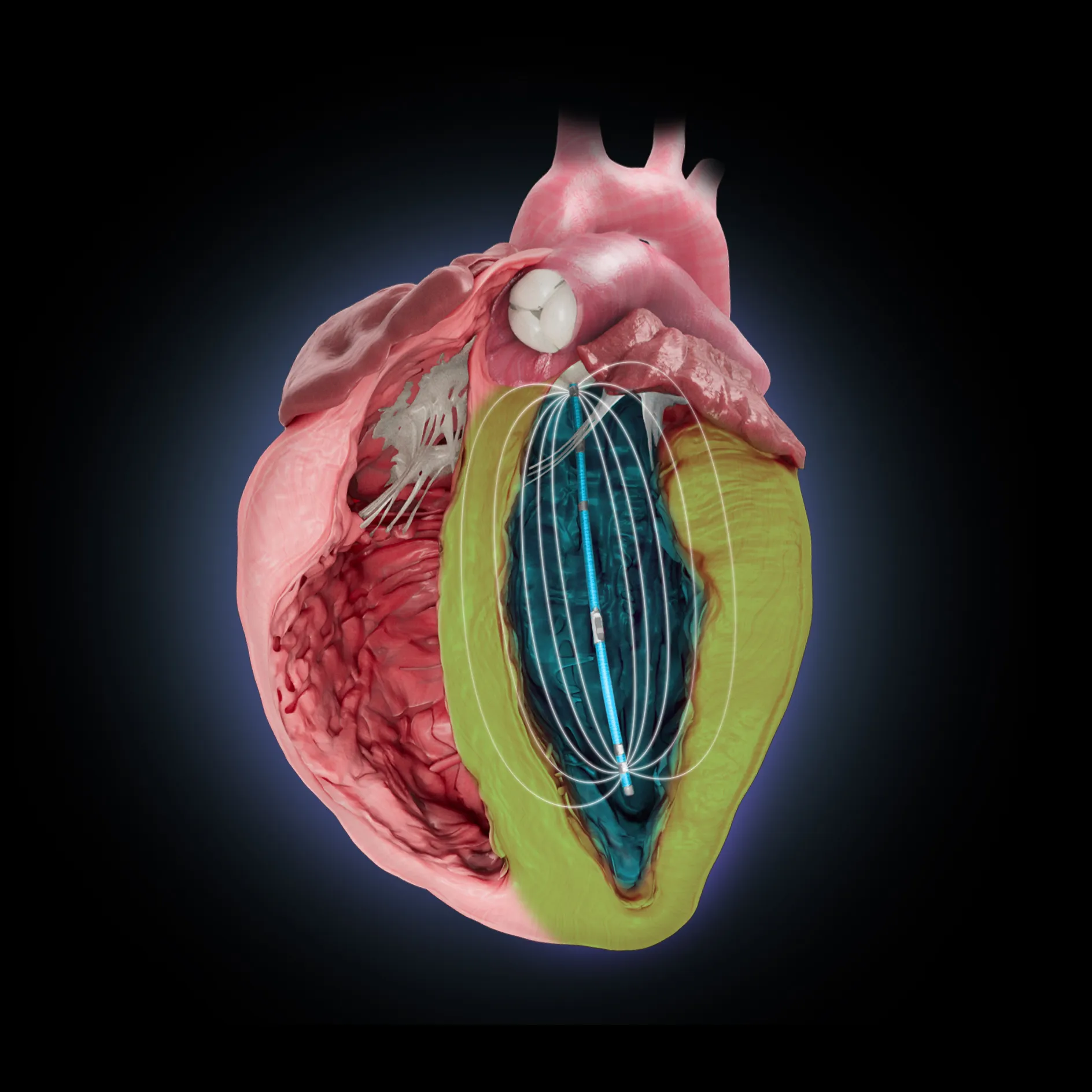
The MPVS Duo provides real-time positional feedback to help you get the data you need faster.
Challenges with Catheter Placement
Important as it is, obtaining correct catheter placement has previously been a time-consuming task. Depending on their preferred workflow and system, researchers could face different obstacles that impeded on the efficiency of this step. Below, we will discuss some of the common pain points associated with each workflow.

EARLY STAGE ADMITTANCE TECHNOLOGY
Earlier admittance based systems such as the ADV500 require manual baseline scans when proceeding through catheter positioning workflow. Users have to interpret numbers that are often confusing in order to calibrate their volume signal. If the volume data looks poor after accepting these numbers, users have to restart the process and adjust, with the inability to receive live feedback about positioning while making the adjustments. This means potentially bypassing good positioning and increasing the length of time spent on this catheter placement altogether.
EARLY STAGE CONDUCTANCE TECHNOLOGY
Early stage conductance technology requires a post calibration for absolute volume, leaving less opportunity to correct errors at the start. While immediate feedback is not available, researchers can utilize XY View in Labchart to confirm the shape of their PV loop and aid in catheter placement.
The challenges noted above can translate into the following during your PV study:
- Lengthier procedures
- Increased number of workflow steps
- Difficulty training new staff
- Inaccuracy in absolute volume
- Less confidence in your data
The MPVS Duo - Simplifying Catheter Positioning with Immediate Feedback
With the MPVS Duo, an intuitive pressure-volume loop system from Millar, correctly positioning pressure-volume catheters no longer needs to feel like a shot in the dark. The MPVS Duo provides real-time positional feedback during catheter placement. Researchers no longer have to trifle with manual baseline scans or rely solely on a unitless XY view. Real-time volume measurements with the MPVs Duo means:
- Complete awareness of where you are in the ventricle
- Shortened positioning time
- Optimized data interpretation and visualization
- Interpreting pressure vs. volume from the get-go

Provide your details below to download the full PV systems comparison chart:
Combining all of the methods from its predecessors, the MPVS Duo gives researchers complete flexibility and total awareness for both admittance and conductance workflows.
PHASE SIGNAL
The MPVS Duo utilizes the phase signal as a secondary form of confirmation for positioning. While this was previously only available to those who utilized an admittance workflow, the MPVS Duo gives researchers the ability to utilize phase for positional awareness even when using the conductance workflow.
XY VIEW
The XY View in LabChart is also utilized as part of the catheter positioning feedback for the MPVS Duo. This gives researchers the ability to visualize and ensure good shape during positioning.
REAL-TIME VOLUME CALIBRATION
The system performs automatic, continuous baseline scans to provide your volume calibration in real-time from the start. With pressure vs. volume available from the get-go, researchers and their staff won’t have to waste time interpreting confusing numbers.
Conclusions
The MPVS Duo simplifies catheter positioning with real-time feedback, improving your workflow in both the training and data collection phases for both small and large animal pressure-volume research.
The system brings the benefits of both admittance and conductance measurement methods alongside the reliability of Millar catheters - giving you a user friendly, streamlined experience for your studies.
If you’re interested in learning more about the MPVS Duo, you can contact our team here.
MPVS Duo >>
MPVS Duo Foundation System >>
Learn more about our partnership with Millar >>