


The field of cardio-oncology is a critical frontier in modern medicine. While advances in cancer treatments have saved countless lives, many of these therapies carry hidden risks for the heart.
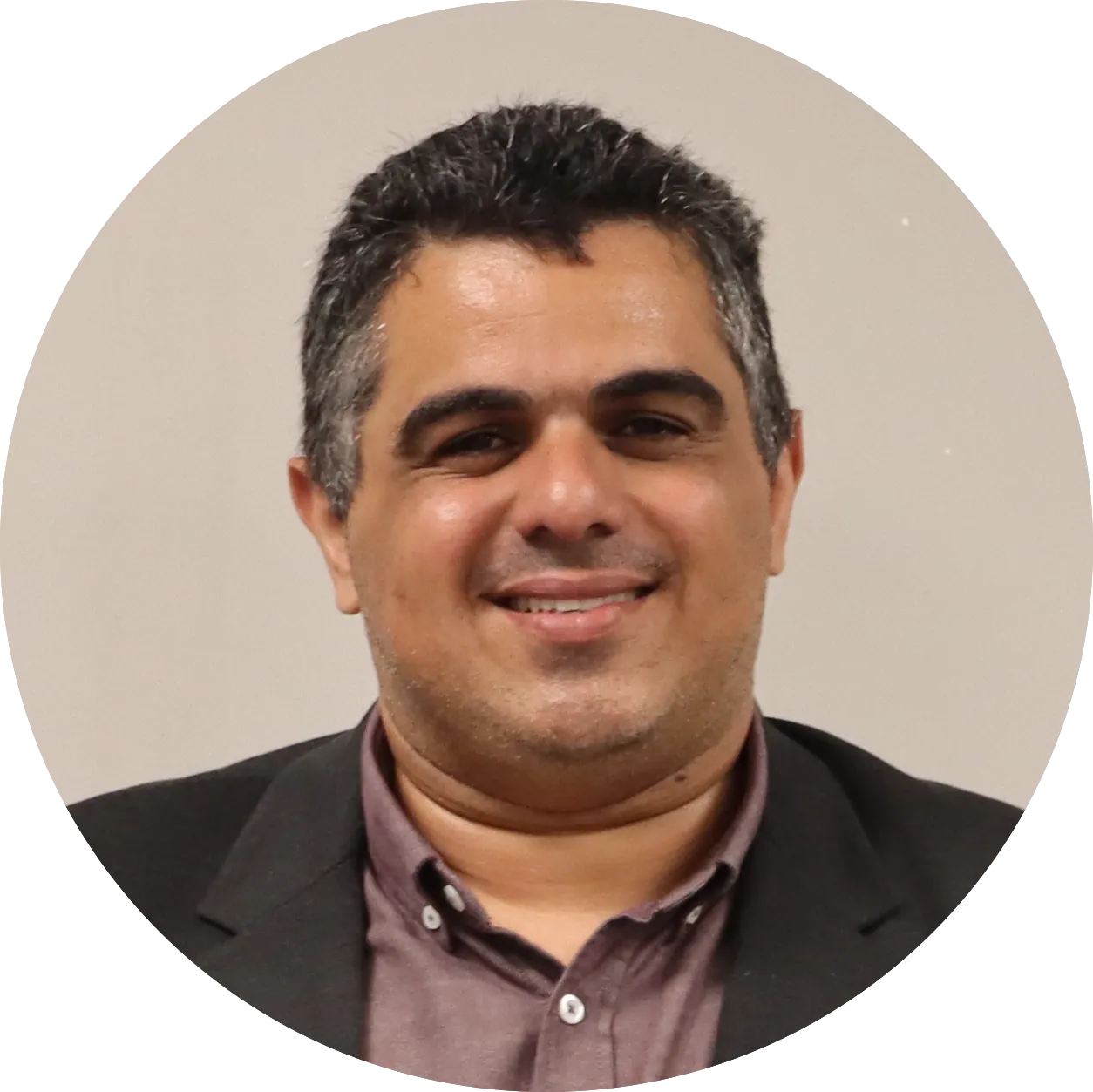
Dr. Allan Kluser, a young scientist in the field of cardiovascular physiology, is at the forefront of investigating these mechanisms to ensure that cancer patients and survivors not only overcome the disease but also maintain their cardiovascular health in the long term.
In this interview, we discuss his transition from athlete to researcher, the challenges of translational research, and how ADInstruments’ microneurography technology is revealing new insights into the toxicity of cancer treatments.
A Change of Course: From the Playing Field to the Laboratory
Dr. Kluser’s path in science has been anything but straightforward. As a former elite athlete, his initial interest in physical education was a natural extension of his athletic career. However, an introduction to anatomy and physiology early in his undergraduate studies sparked a new passion.
“My journey in science began at that moment," Allan says, "When I joined a research lab as a student researcher, I was captivated by it. I would say I found my calling.”
Under the guidance of Prof. Dr. Antonio Cláudio Lucas da Nóbrega at the Exercise Science Laboratory (LACE) of the Fluminense Federal University (UFF) and Prof. Bruno Moreira Silva of the Federal University of São Paulo (UNIFESP),

Allan Kluser at age 15 competing in the qualifiers for the Brazilian Judo Championship
Allan traded wrestling competitions for the pursuit of scientific knowledge. His academic journey took him to the Heart Institute (InCor) for a postdoctoral program at USP under the supervision of Prof. Dr. Carlos Eduardo Negrão and to a research fellowship at the University of Missouri under the supervision of Prof. Dr. Jaume Padilla, consolidating his expertise in cardiovascular physiology.
“You always need someone to give you an opportunity," Allan says, "But it takes a lot of courage, determination, and resilience to face the challenges.”
Investigating Cardiovascular Toxicity in Cancer Treatment
Today, Dr. Kluser’s CardioNeuroVascular Control research group, in collaboration with Dr. Renata Moll from the Cardiology group at the D’Or Institute for Research and Education (IDOR), focuses on the impact of cancer and its treatments—such as chemotherapy, radiation therapy, targeted therapies, and immunotherapy—on the cardiovascular system. The central challenge is that cancer and/or many drugs essential for fighting cancer can cause dysfunction in the heart, blood vessels, and the autonomic nervous system.
"The oncologist has no alternative but to treat that cancer," Allan says, "However, cancer itself and the various therapies… are associated with some adverse effects on the cardiovascular system.”
His group’s goal is to understand the pathophysiology behind these effects in order to propose pharmacological and non-pharmacological strategies, such as physical exercise, that protect the patient without compromising the efficacy of anticancer treatment.

Students from Prof. Allan Kluser’s research group, after presenting their work at the 44th Congress of the São Paulo State Society of Cardiology. From left: Camila Nunes, Artur Sales, João Izaias, Allan Kluser, Artur Sales, Thais Rodrigues, Bruna Ono, and Maria Fernanda.
Translational Research: From Clinical Practice to the Experimental Model
One of the cornerstones of Dr. Kluser’s work is the translational approach. To this end, he collaborates with distinguished national and international researchers, such as Professors Natália Gailto Rocha and Helena Miguens Rocha of the Integrative Cardiometabolism Laboratory at UFF, Prof. Dr. Douglas R. Seals of the University of Colorado (United States), and Prof. Dr. Rhian M. Touyz, from McGill University (Canada). Together with Professors Natália and Helena and Prof. Seals, Dr. Kluser investigated the long-term effects of doxorubicin- and trastuzumab-based chemotherapy on sympathetic-cardiovascular changes in breast cancer survivors. This work was recently published in the Journal of the American Heart Association, and served as the subject of João Eduardo Izaias’s doctoral thesis in the graduate program in Medical Sciences at IDOR.
As for Prof. Rhian M. Touyz, her group is studying other targeted therapies, such as VEGF inhibitors—used to treat clear cell renal cell carcinoma and other types of neoplasms—which cause severe hypertension. Currently, Bruna E. Ono, her PhD student at IDOR, is at McGill University conducting experiments with endothelial cells, extracellular vesicles, and proteomics to gain a deeper understanding of the biology of hypertension induced by these drugs.
"We started with humans and are now moving to animal models to determine whether the intervention we are proposing to inhibit cardiotoxicity will interfere with cancer treatment," Allan says, “Recently, our group, in collaboration with Prof. Maria Cláudia Costa Irigoyen and Dr. Fernanda Consolim, both from InCor-USP, achieved experimental success in blocking the rise in blood pressure with a drug. These findings will be published shortly.”

Prof. Allan Kluser, visiting the Laboratory of Integrative Physiology of Aging, led by Prof. Seals at the University of Colorado: from left, Matthew Rossman, Daniel Creaghead, Allan Kluser, and Douglas Seals.
Overcoming Technical Challenges with Microneurography
To accurately measure sympathetic nerve activity, Dr. Kluser relies on the microneurography technique. The transition to ADInstruments technology was a milestone for the feasibility of his clinical studies.
“My relationship with ADI began with our need to continue microneurography studies," Allan says, "moving toward more advanced, newer, and user-friendly technology.” He highlights the integration of NeuroAmp with PowerLab and LabChart software as fundamental to identifying autonomic changes in cancer patients and survivors.
Related: Microneurography – Recording Nerve Traffic Via Intraneural Microelectrodes in Awake Human Subjects
Courage, Resilience, and a Touch of Humor
For Dr. Kluser, science is driven by persistence and mutual collaboration. He advises young scientists to be resilient in order to face the challenges inherent in the profession.
“Science isn’t just about genius," he says, "I’d say it’s much more about perspiration than inspiration. So it’s work, work, work.”
And sometimes, hard work demands unusual sacrifices. Allan humorously recalls the nights he worked late at UFF: “I’d eat the whole box of chocolates [intended for patients] while I was working… I had to find a new box at 10 p.m. to restock it the next day at 7:30 a.m.”
About the Researcher
Dr. Allan Kluser is a researcher at the D’Or Institute for Research and Education (IDOR) and a tenured professor in the Graduate Program in Medical Sciences, with a focus on Clinical and Translational Medicine. After earning a bachelor’s degree in Physical Education (2008), he consolidated his academic career with a master’s degree (2010) and a doctorate (2014) in Cardiovascular Sciences from the Fluminense Federal University (UFF), under the guidance of Profs. Dr. Antonio Cláudio Lucas da Nóbrega and Dr. Bruno Moreira Silva.
He furthered his expertise through postdoctoral fellowships at leading institutions:
Cardiopulmonary Medicine at the Heart Institute (InCor/USP), under the supervision of Prof. Dr. Carlos Eduardo Negrão.
Vascular Biology at the Dalton Cardiovascular Research Center (University of Missouri-Columbia, USA).
Recognized as a Young Scientist of Our State by FAPERJ, Dr. Kluser is dedicated to Cardiovascular Physiology and Exercise Medicine. His research utilizes advanced methods, such as microneurography, to measure sympathetic nerve activity, as well as in vivo (animal) and ex vivo models to investigate vascular, molecular, and cellular changes. He currently leads research on cancer and the adverse effects of cancer therapies, as well as the protective role of physical exercise, maintaining active collaborations with the University of Colorado and McGill University.
Relevant Publications
Izaias, João E., et al. “Sympathetic Neural Overactivation, Vascular Dysfunction, and Exercise Intolerance in Long‐Term Survivors of Breast Cancer Treated With Doxorubicin and Trastuzumab‐Based Chemotherapy.” Journal of the American Heart Association, vol. 15, no. 6, Mar. 2026, p. eJAHA2025048047T. https://doi.org/10.1161/jaha.125.048047.
Faria, Diego, et al. “Sympathetic Neural Overdrive, Aortic Stiffening, Endothelial Dysfunction, and Impaired Exercise Capacity in Severe COVID-19 Survivors: A Mid-Term Study of Cardiovascular Sequelae.” Hypertension, vol. 80, no. 2, Nov. 2022, pp. 470–81. https://doi.org/10.1161/hypertensionaha.122.19958.