

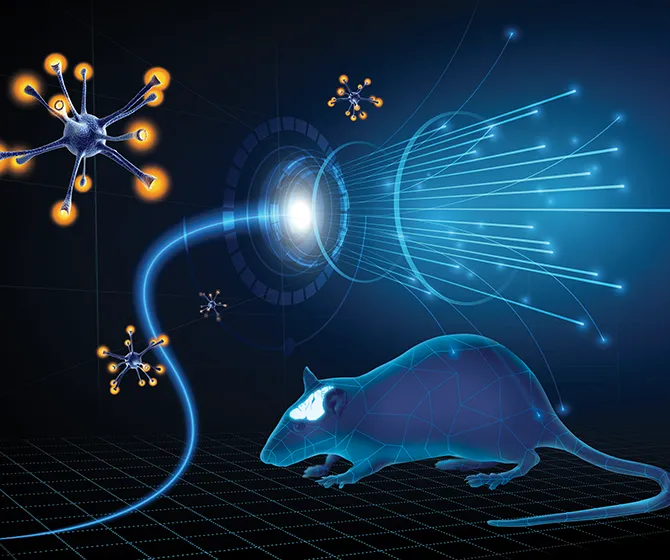
Are you thinking about using optogenetics in your neuroscience research but are unsure where to begin? Here we provide an overview of the key tools and techniques involved in optogenetics and its applications in the neuroscience field.
Find out how New York University kept their biology students engaged while teaching labs and research skills online.
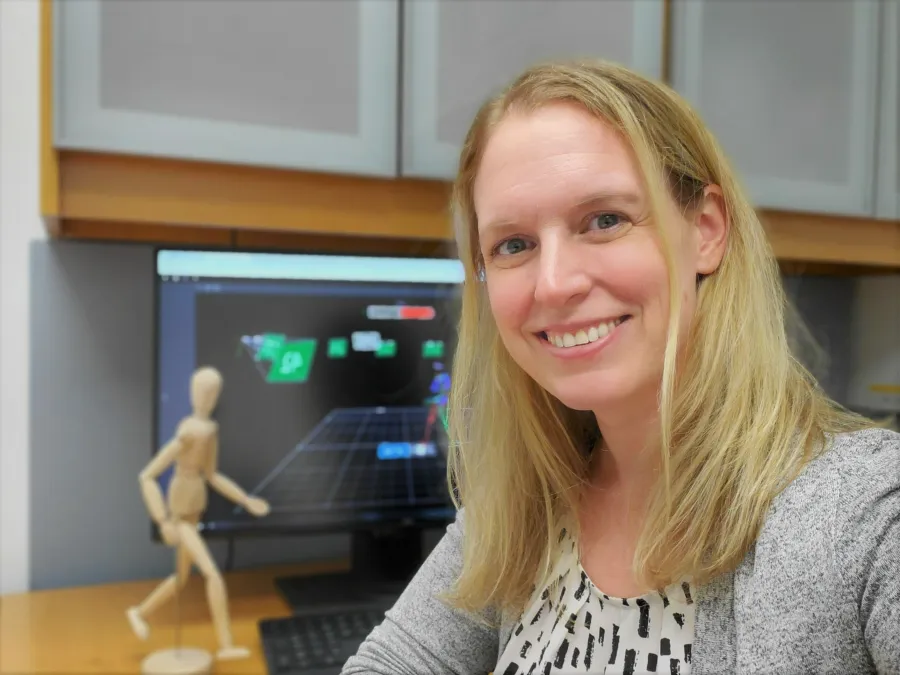
Congratulations to last year's (2020) winner of the ADInstruments Macknight Early Career Innovative Educator Award, presented by the APS: Erin Vasudevan, Assistant Professor at Stony Brook University
Take your cardiovascular research to the next level using telemetry. Find out how you can use Kaha Science's telemeters to measure physiological pressures, ECG, and sympathetic nerve activity - plus a whole lot more!
Join the discussion: in this blog, we explore how online tutoring services such as Chegg are being used by students to cheat, and what we as educators or lesson creators can do about it.
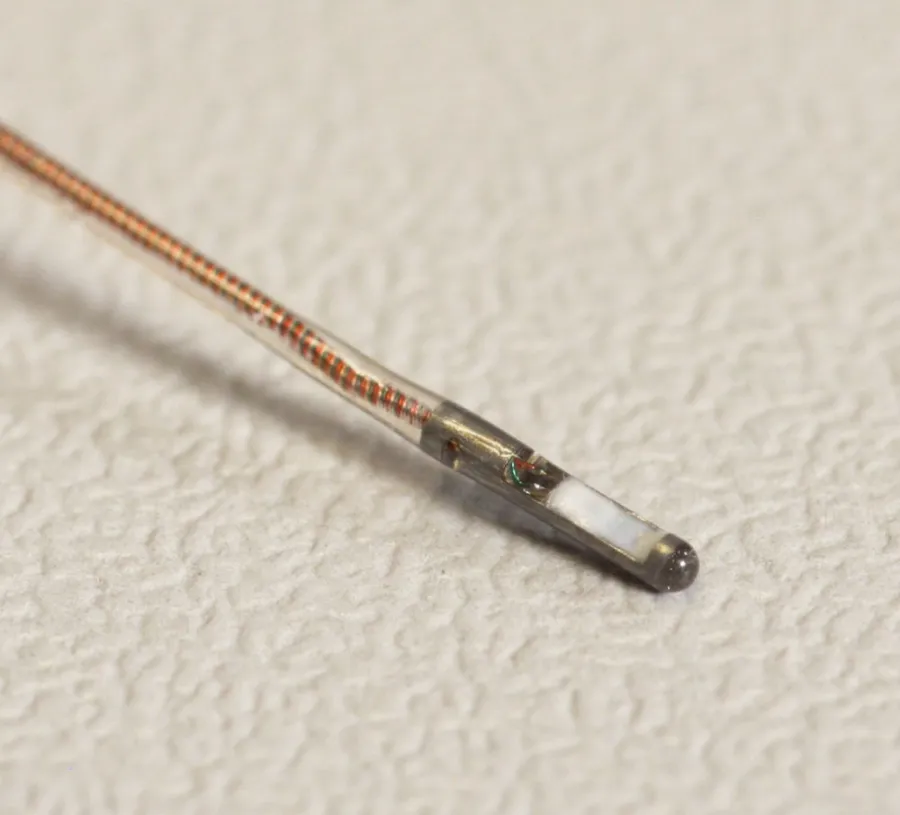
Measure physiological pressures wirelessly with unparalleled accuracy, reliability, and sensitivity using Kaha Sciences pressure telemeters
Are you interested in measuring tissue oxygen concentrations, continuously, over long periods of time? Find out how tissue oxygen can be measured in situ and why tissue oxygen telemetry could be beneficial to your research...
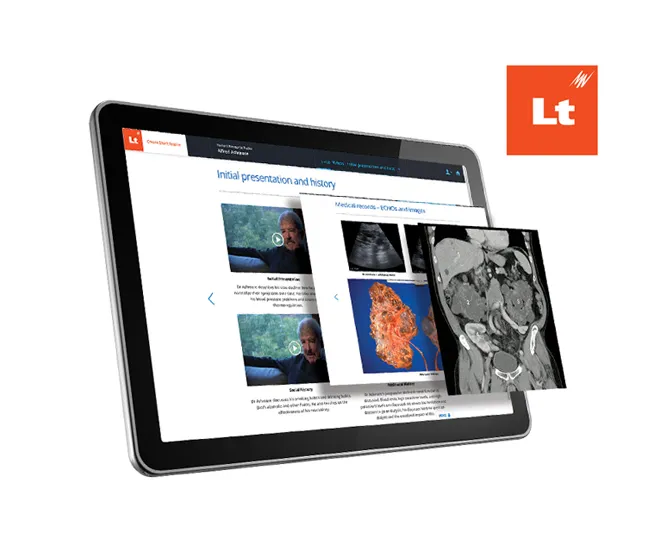
2000+ educators signed up to use Lt for free during the pandemic. 10 of the top 20 clinical and health universities in the world use Lt.

During the Covid-19 quarantine, Marc Demolder has continued to teach practical physiology labs by remote, using Lt. Here are his top pieces of advice for successful online labs...
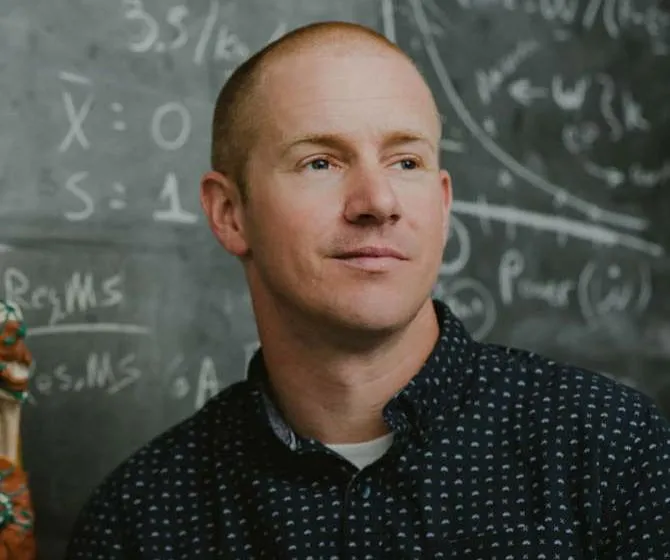
Ed Merritt, kinesiology lecturer at Southwestern University, shares his experience using Lt to his teach lab-based courses remotely.

Cardiovascular Physiologist DeWayne Townsend discusses common sources of signal variability, experimental considerations and expert tips for collecting high-quality PV loop data.
Cardiovascular Physiologist Dr. DeWayne Townsend discusses the advantages and limitations of the carotid and apical approach for PV loop studies.

Associate Professor Tina Hinton shares her experience of having to make the swift transition from face-to-face teaching to a fully online lesson and lab delivery during the Covid-19 pandemic.

Cardiovascular Physiologist Adam Goodwill (P.h.D) provides an introduction to the pressure-volume loop, how it compares to other techniques, plus tips for interpreting measures of cardiac function.
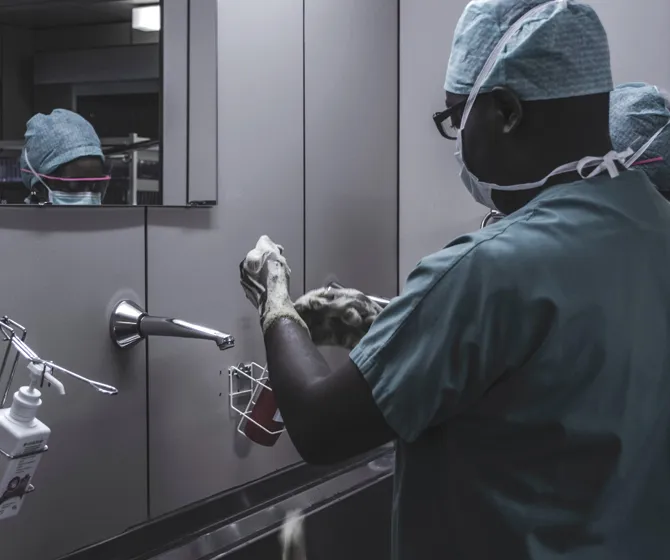
Join the discussion: Our team of Instructional Designers share and discuss two articles on how race is portrayed in medical education. Both of them have been published in Academic Medicine and are free to download.
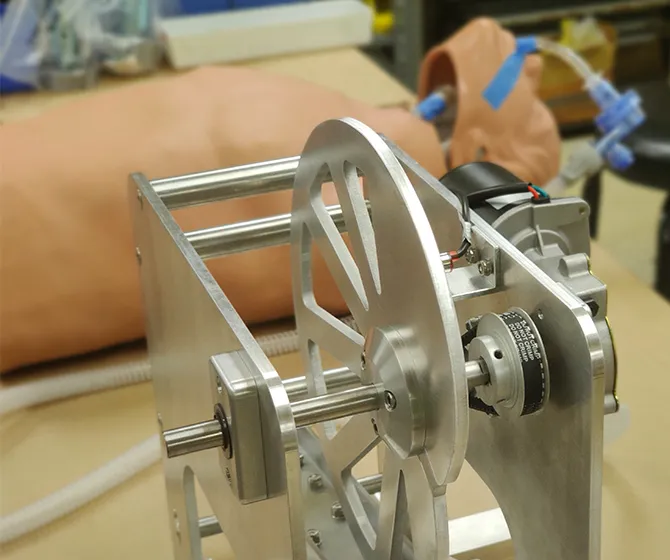
Find out how an innovative group of medical and engineering experts produced an open-source ventilator in a matter of months.

As COVID-19 restrictions fluctuate, it's more important than ever to ensure that the lab equipment we and our students are using is disinfected and safe to use.
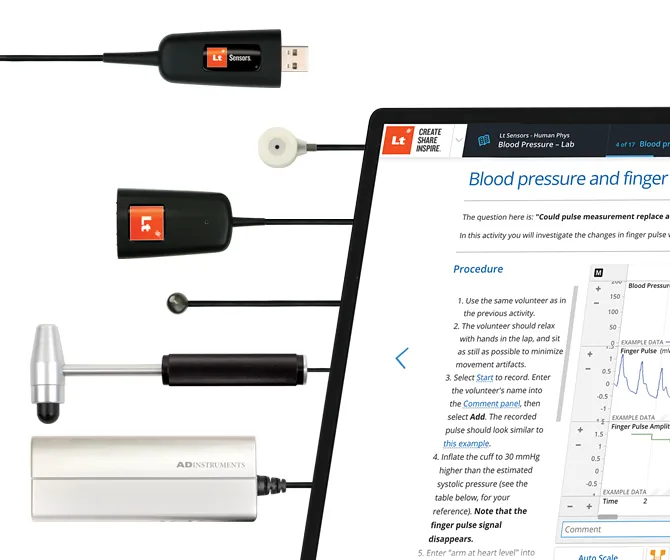
We are extremely excited to announce the release of Lt Sensors - our new, cost-effective, and versatile solution for recording biosignals directly into our online learning platform Lt!
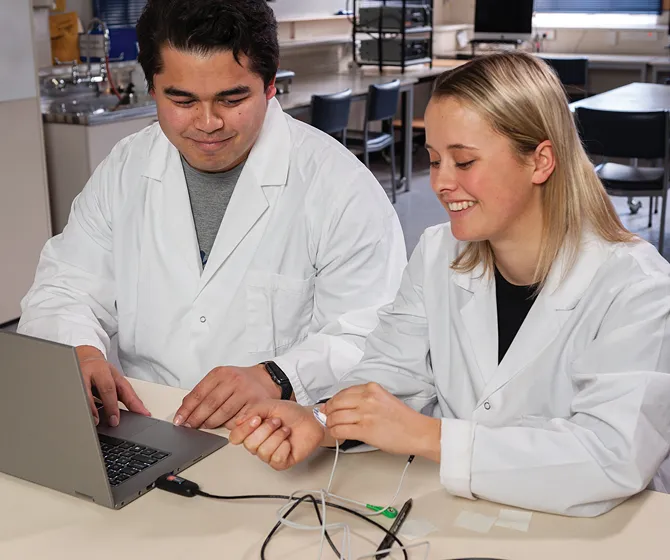
COVID-19 has brought around a dramatic change in how science courses are taught. So how can educators adapt their traditional lab set-up to suit both face-to-face and remote learning environments?
image
New study shows lower heart rate and blood pressure variability in pre-term babies, pointing to autonomic maturation deficits as a possible risk factor for SIDS.