Advancing Physiology: ADInstruments and TPS Join Forces to Support Mid-Career Research and Education

ADInstruments Europe and The Physiological Society have agreed a strategic partnership to deliver valuable resources, including equipment access and awards, to advance research and career development for TPS members and ADI customers. The partnership will bring exciting opportunities for physiology...

Counting Down to Our 40th Birthday

Founded by Michael and Tony Macknight on November 25, 1986, we’re excited to be heading toward our 40th birthday. Our countdown is live now, and we’ll be sharing celebration details as they’re revealed.

Free eBook Download – Education 4.0: Science Teaching in the AI Era

Teaching science? Discover how to modernize undergraduate science and health education for an AI-rich world, while keeping authentic, hands-on learning at the center.

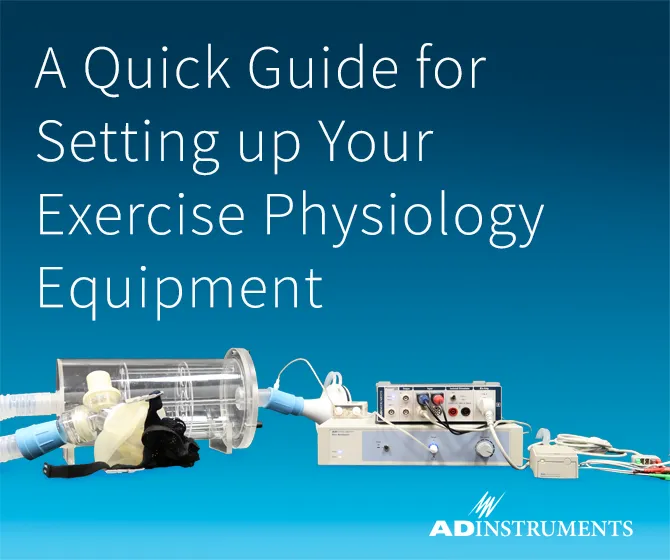
A Quick Guide for Setting Up Your Exercise Physiology Equipment

A step-by-step guide and video for setting up your exercise physiology equipment. We will detail how to get your equipment set-up for experimentation, and demonstrate how the data is managed through LabChart.

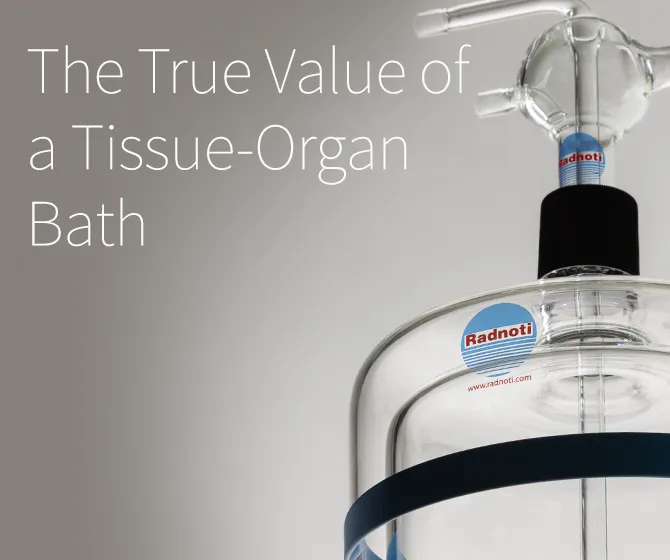
The True Value of a Tissue-Organ Bath

Isolated tissue-organ research is designed to reduce unpredictability. Learn more about some of the systems available on the market, and what makes Radnoti such a good investment.

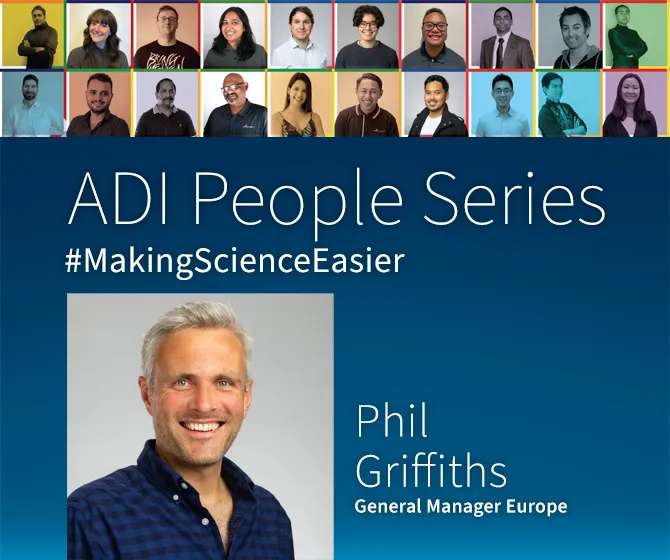
Phil Griffiths: General Manager - Europe

Meet Phil! Phil is the ADInstruments General Manager for Europe. “What I love about working at ADI is that the people, all over the world, are actually really similar. Wherever you seem to go in the world, you meet people who are quite similar in terms of their outlook on things and how they go about their work. We make really amazing products that are helping to solve problems for people, in a really important market, which is both scientific research and scientific education.”

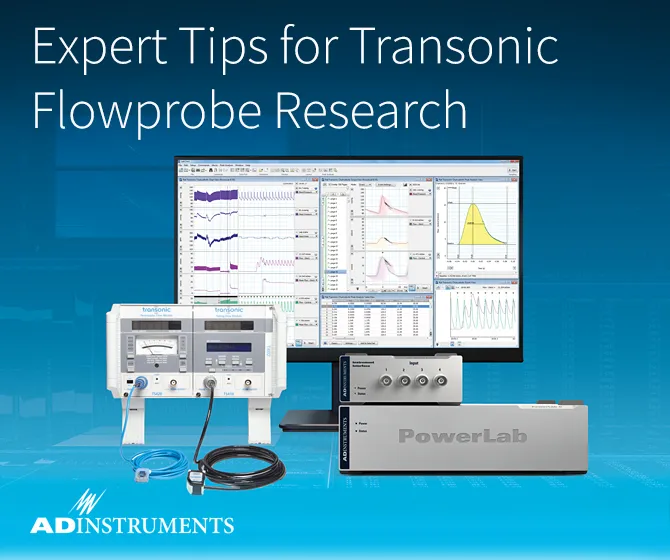
Expert Tips for Transonic Flowprobe Research

Research is full of hard learned lessons, skills and fine-tuning that you'd never think to ask about until the problem is right in front of you. In these excerpts from a recent webinar, four flowprobe experts discuss some of the lessons they've learned along the way, and even share some tips with one another.

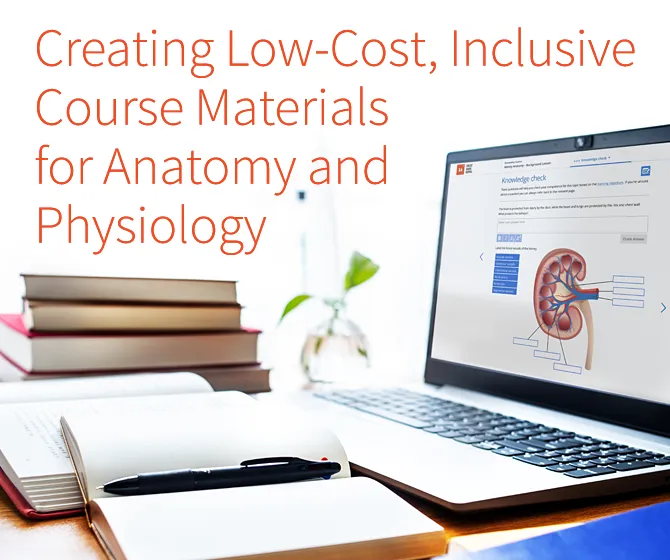
Creating Low-Cost, Inclusive Course Materials for Anatomy and Physiology

Dr. Dan McNabney (University of Arizona) is on a mission to create a set of low-cost, inclusive course materials that best support his Anatomy and Physiology students. Learn how Dan is combining the power of OER, large-language models, and Lt to do so, all while reducing the total cost of course materials to his students by 75%.

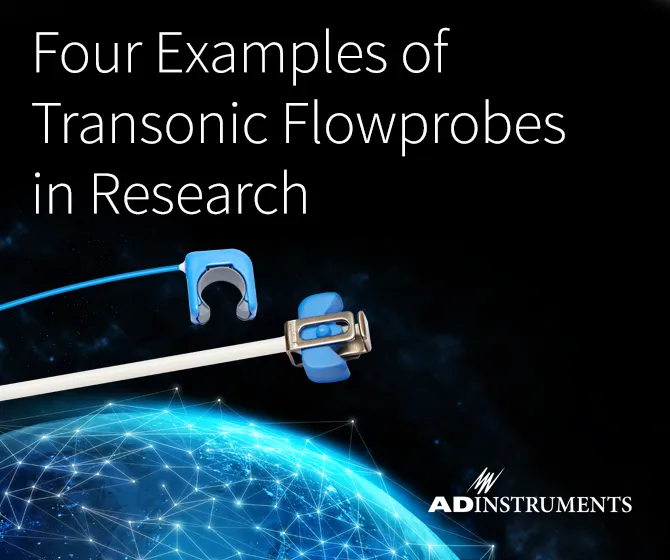
From rats to sheep and everything in between: Four examples of transonic flowprobes in research

Blood flow measurements offer us a clear picture of cardiovascular health. The accuracy of those measurements can make or break an experiment or emerging treatment option. Transonic’s flowprobes and flowsystems are the gold standard of flow measurement, providing high-resolution ultrasonic transit-time technology for animals of all sizes.

A translational milestone: Understanding and treating autonomic dysreflexia

Two groundbreaking new articles have been published by the Phillips lab. Find out more about the underlying mechanisms of Autonomic Dysreflexia.

2025 PowerLab C Competition Winner: Jeremy Cohen

We’re excited to announce that Jeremy Cohen has won our 2025 PowerLab C competition! Jeremy is a PhD student at the University of Waterloo in Canada. His PhD focuses on venous blood flow regulation using high-frame-rate ultrasound to visualize vector blood flow, and ECG. A recent addition to Jeremy...

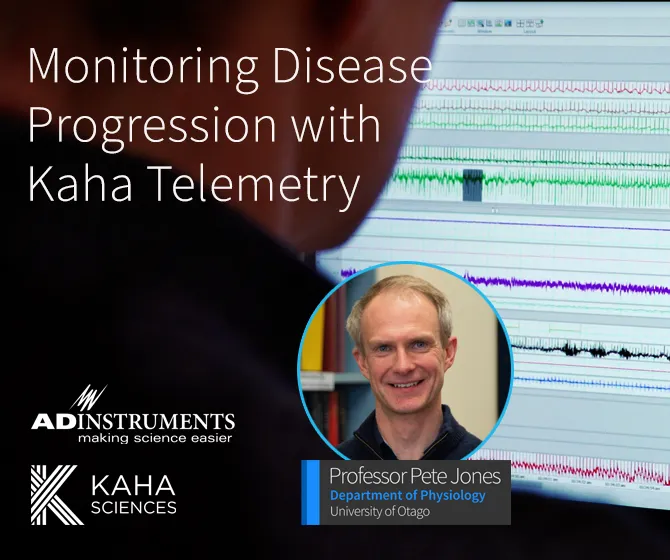
Professor Pete Jones - Monitoring Disease Progression with Kaha Telemetry

Professor Pete Jones focuses primarily on the control of calcium within the heart and brain. This fundamental approach allows his research to touch on multiple pathologies; heart failure, arrhythmias, seizure disorders, and dementias.

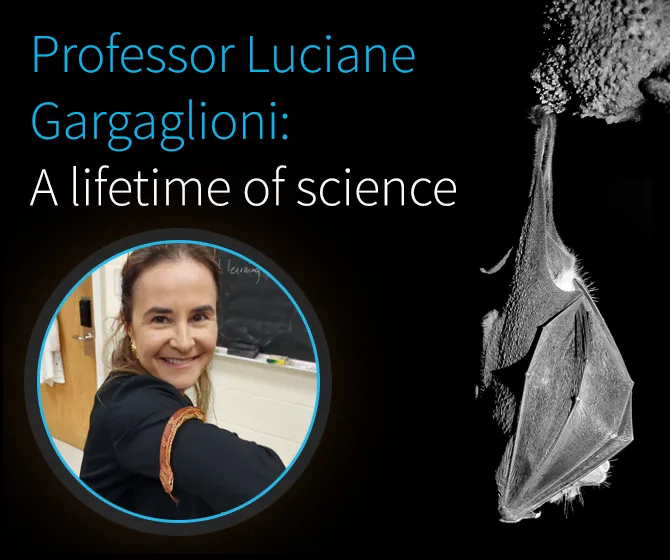
Professor Luciane Gargaglioni: A lifetime of science

Professor Luciane Gargaglioni always wanted to be a biologist. What began as a childhood passion for animals has evolved into a solid career in science, with important discoveries in comparative physiology, neuroscience, and respiratory control.