

Laser Doppler Flowmetry (LDF)
Laser Doppler flowmetry (LDF) is a non-invasive method for the continuous measurement of microvascular blood perfusion in a variety of tissue types. This doppler flowmetry technique estimates blood perfusion (blood flow) by illuminating a tissue sample with single-frequency light and processing the frequency distribution of the backscattered light.
Specifically for human studies, our single-channel Laser Doppler FlowMeter can be used with a specialized fiber optic probe to measure relative changes in skin perfusion in response to vasoactive drugs, or to record and measure non-invasive blood flow within a microvascular bed.

Products and Solutions

Human certified
products

Record multiple
signals at once

Mix and match products for a custom solution

Plug and play with total LabChart compatibility
Measure blood flow non-invasively in humans and record relative changes in skin perfusion with a PowerLab and the Laser Doppler Blood FlowMeter.
In conjunction with our solutions shown below, any device with an analog output (+/- 10V) can be connected to a PowerLab data acquisition system for synchronization of the event in LabChart, giving you even more flexibility and the ability to integrate your data streams in one place.
All our laser doppler flowmetry equipment recommended for human use is backed by the appropriate safety certification standards. More information on safety standards.
Related Components and Products

Engineered for precise, consistent, reliable data acquisition of a wide range of physiological signals. PowerLab gives you the reproducible data you need while meeting the strictest international standards.
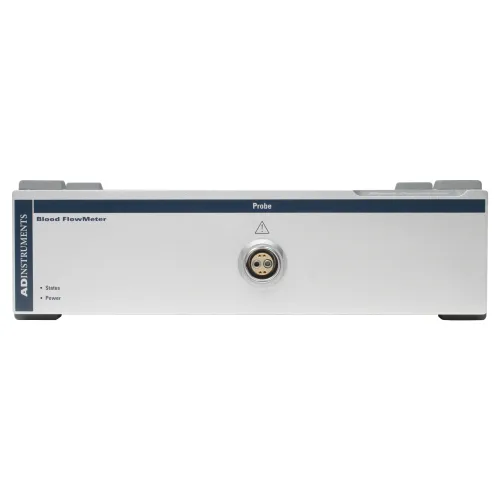
Single channel laser Doppler flowmeter that can be used to measure blood cell perfusion in the microvasculature of tissues and organs. Supports both invasive and non-invasive disciplines with a range of probe types and formats).
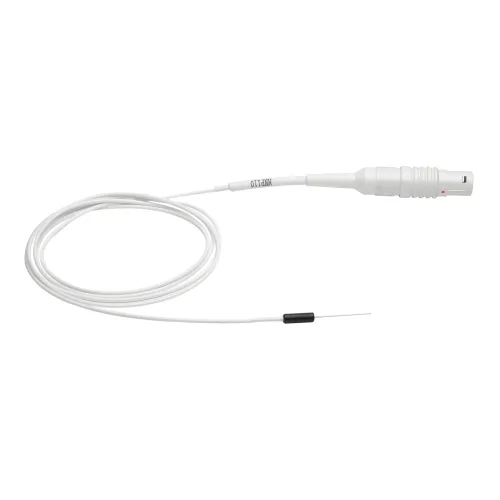
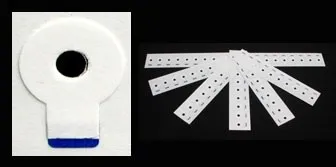

Flexible Data Acquisition
ADInstruments systems provide an integrated solution to advance life science research. With the combination of LabChart analysis software and a PowerLab data acquisition unit, you have the flexibility to collect and synchronize a wide range of signals for analysis. We also offer a range of LabChart compatible solutions able to stream directly in LabChart.
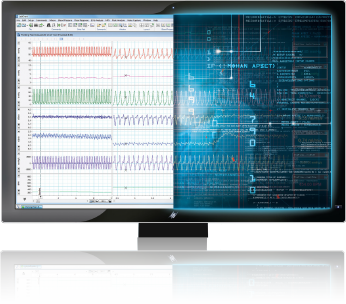

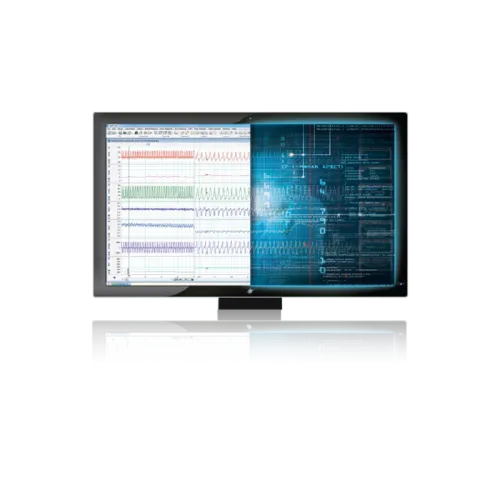
LabChart data analysis software creates a platform for all of your recording devices to work together, allowing you to acquire biological signals from multiple sources simultaneously and apply advanced calculations and plots as your experiment unfolds.
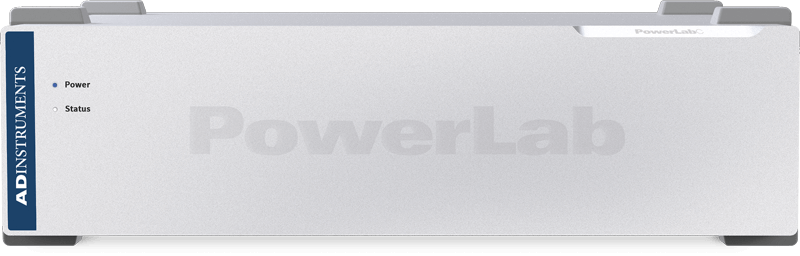

High-performance data acquisition hardware designed for life science research. PowerLab is engineered for precise, consistent, reliable data acquisition, giving you the reproducible data you need while meeting the strictest international safety standards.
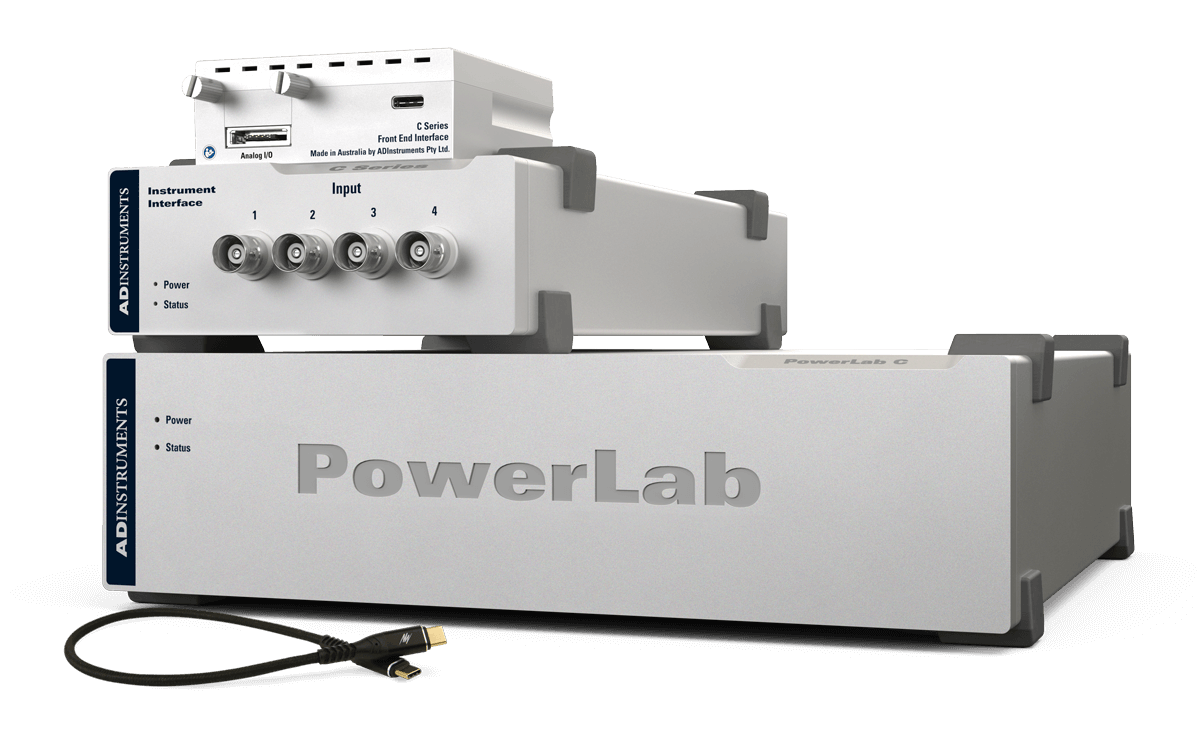

A modular data acquisition foundation system that provides unparalleled flexibility for researchers looking to invest in customizable, reliable solutions for both now, and in the future.
All your analysis in one place
LabChart software is designed specifically for life science data and provides up to 32 channels for data display and analysis options that are powerful and easy to use. With auto-recognition of ADI and LabChart Compatible hardware, multi-window views, one touch recording, simultaneous recording from multiple devices, specialized preconfigured settings, easy sharing options and an interface that can be customized to show only the features you want to use.
Features and Add-Ons
Additional acquisition and analysis options to support your Laser Doppler Flowmetry (LDF) analysis: