



Here at ADInstruments, we're lucky to be a part of a large and thriving research community. Join us in celebrating some of the incredible work published by that community over the past few months.
Sympathetic Nervous System Inhibition Enhances Cardiac Metabolism and Improves Hemodynamics and Glucose-insulin Dynamics in Obese and Lean Rat Models.
Published in Scientific Reports
This study investigates how chronic inhibition of the sympathetic nervous system using clonidine affects cardiac metabolism, hemodynamics, and glucose-insulin dynamics in both obese and lean rat models. The authors found that reducing sympathetic activity decreases myocardial glucose uptake and lowers blood pressure and heart rate, with more pronounced effects observed in lean rats. In obese rats, the reduced glucose uptake is linked to a metabolic inflexibility driven by leptin signaling deficiency.
Read more: https://doi.org/10.1038/s41598-024-84218-1
ADInstruments Products:
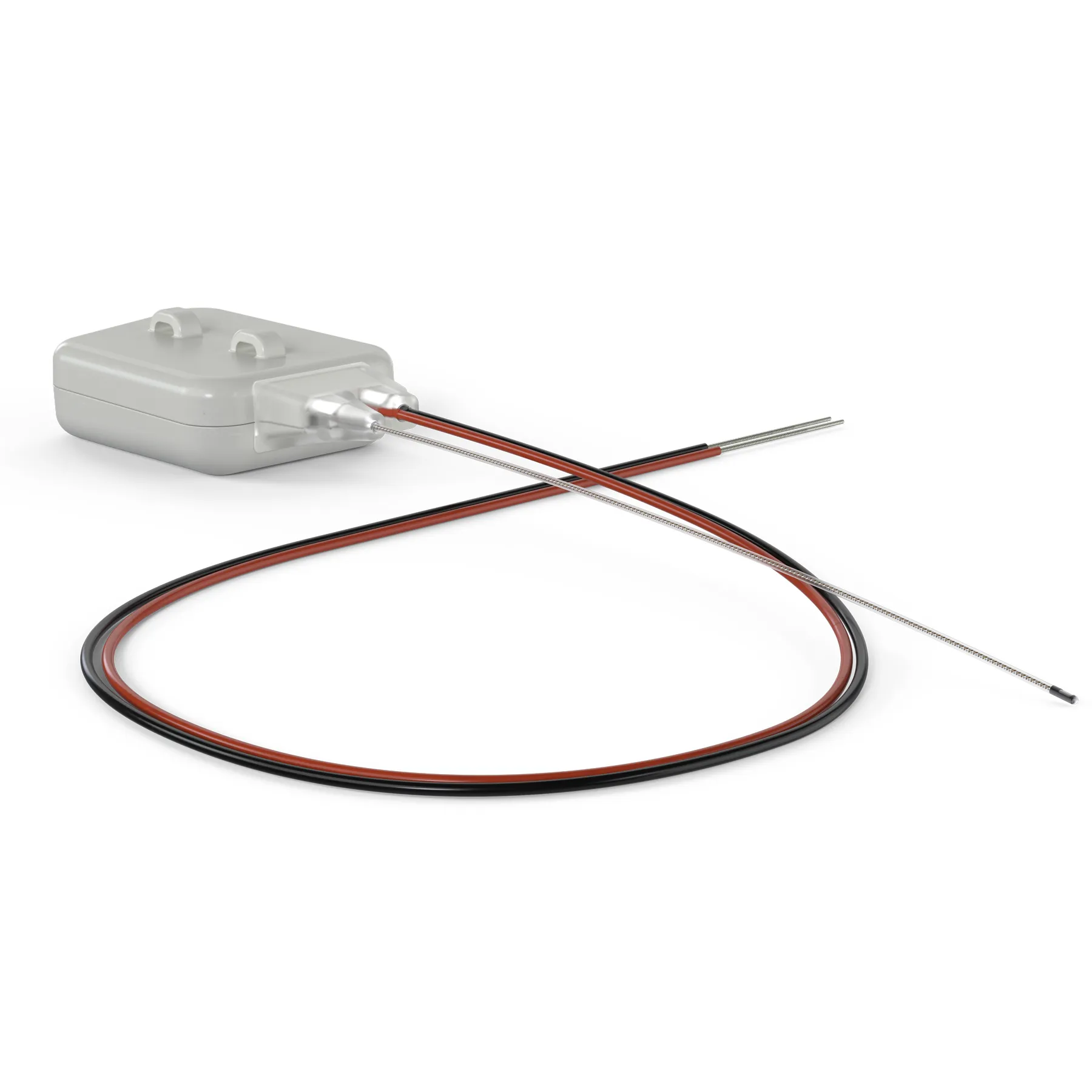
Continuous blood pressure monitoring was achieved using implantable Kaha telemetry.
Atlas of Multilineage Stem Cell Differentiation Reveals TMEM88 as a Developmental Regulator of Blood Pressure.
Published in Nature Communications
This study establishes an integrated single‐cell transcriptomic atlas of human iPSC differentiation by leveraging engineered barcoded cells and multiplexed RNA sequencing. The researchers tracked the emergence of diverse cell lineages under controlled signalling conditions, uncovering how specific pathways like WNT, BMP, and VEGF guide early development. A key finding is the identification of TMEM88 as a critical regulator: its modulation affects cardiovascular cell fate and blood pressure, as demonstrated by both in vitro differentiation and in vivo mouse models.
Read more: https://doi.org/10.1038/s41467-025-56533-2
ADInstruments Products:
WAND: A Multi-modal Dataset Integrating Advanced MRI, MEG, and TMS for Multi-scale Brain Analysis.
Published in Scientific Data
The article introduces the Welsh Advanced Neuroimaging Database (WAND), a comprehensive, multi-modal dataset that combines advanced neuroimaging techniques—including ultra-high field MRI with ultra-strong gradients, magnetoencephalography (MEG), and transcranial magnetic stimulation (TMS)—to enable multi-scale brain analysis in healthy adults. The dataset integrates diverse data types, such as structural and functional MRI, spectroscopy, and detailed cognitive and behavioral assessments, all organized according to the Brain Imaging Data Structure (BIDS).

Physiological monitoring during BOLD fMRI was conducted with LabChart.
By providing accessible, high-quality neuroimaging and behavioral data from 170 participants, WAND offers a unique resource to investigate the complex relationships between brain structure, function, and behavior.
Read more: https://doi.org/10.1038/s41597-024-04154-7
ADInstruments Products:
UW Supplementation With AP39 Improves Liver Viability Following Static Cold Storage.
Published in Scientific Reports
The study evaluated whether supplementing the University of Wisconsin (UW) preservation solution with AP39—a mitochondria-targeted, slow-release hydrogen sulfide donor—could improve liver viability during static cold storage. Rat livers preserved with AP39 for three days demonstrated enhanced vascular performance, reduced levels of liver injury markers (ALT and AST), and a lower incidence of apoptosis during subsequent normothermic machine perfusion compared to those stored in UW solution alone.
Read more: https://doi.org/10.1038/s41598-025-85302-w
ADInstruments Products:
Stem Cells Prevent Long-term Deterioration of Renal Function After Renal Artery Revascularization in a Renovascular Hypertension Model in Rats.
Published in Scientific Reports
This study investigated the long-term benefits of combining mesenchymal stem cell therapy with renal artery revascularization in a rat model of renovascular hypertension. Rats with induced renal artery stenosis were treated with either stem cells, revascularization, or a combination of both. While stem cell treatment alone did little to improve blood pressure or renal function,

Systolic blood pressure was measured weekly through the use of an NIBP CODA tail cuff.
revascularization restored blood pressure and partially improved kidney function despite persistent proteinuria and fibrosis. Notably, the combined treatment normalized renal function, reduced proteinuria, and mitigated tissue fibrosis.
Read more: https://doi.org/10.1038/s41598-025-87451-4
ADInstruments Products: